
Coal Types and Their Impact on Conveyor Design
Two mines can use belt conveyors of the same width, yet the wear rate of their components can differ greatly. The cause is often not the quality of the components but the type of coal being transported. That is why understanding coal types and coal classification is the first step before specifying the right coal conveyor.
Coal Classification Based on Rank
Coal is classified by rank, which describes its level of maturity as reflected in carbon content and calorific value. There are four main groups.

Lignite: Characteristics and Material Properties
The lowest rank, brown to blackish-brown in color, with high moisture content (up to 45%), a low calorific value (6,300 to 8,300 Btu/lb), and a carbon content of up to about 70%. It tends to be soft and crumbly, and it is non-coking.
Sub-bituminous: Characteristics and Applications
Ranked above lignite, blackish-brown to black in color, with 40 to 60% carbon, a calorific value of 8,300 to 11,500 Btu/lb, and 20 to 30% moisture. It is widely used for power generation because it balances quality and availability.
Bituminous: Carbon Content and Calorific Value
Contains 60 to 86% carbon, has a calorific value of 10,500 to 14,000+ Btu/lb, moisture below 20%, and a glossy black color. It is harder and denser, and comes in several grades (low, medium, and high volatile).
Anthracite: Characteristics of the Highest Coal Rank
The highest rank, with 92 to 98% carbon, a calorific value above 14,000 Btu/lb, moisture below 15%, a deep glossy black color, and very high hardness. It is harder to ignite but burns more cleanly.
This classification matters to engineering teams because rank is linked to the physical properties of the material, which in turn affect how coal behaves as it moves along the belt.
Physical Coal Characteristics That Affect Conveyor Design
Three characteristics have the greatest influence on mining conveyor design: abrasiveness, moisture, and material size.
Abrasiveness and Its Impact on Component Wear
raw coal is abrasive to belt covers, pulley lagging, and roller surfaces. The higher the content of mineral impurities and the harder the material, the faster the conveyor components wear. The design should account for wear-resistant cover grades, idlers with high abrasion resistance, and protective elements at transfer points.
Coal Moisture Content and Stickiness
lignite and some sub-bituminous coals hold a lot of moisture, which makes them sticky, especially during rain or in high humidity. Sticky material builds up on rollers, pulleys, and chutes, which can disturb belt tracking and increase the load on the motor.
Material Size and Bulk Density
the size of lump coal, run-of-mine coal, or crushed coal affects the design of hoppers, chutes, skirtboards, and impact zones. Bulk density, which varies with coal type and moisture content, also influences capacity calculations and the choice of belt strength.
These three factors do not work in isolation. Wet, fine coal, for example, can cause very different problems from dry, coarse coal, even when both belong to the same rank group. The specifications for idlers, pulleys, and conveyor belts should be based on the actual condition of the material, not just the name of the coal type.

Recommended Idlers and Belt Cleaners for Coal Handling
For coal conveyor applications, especially those dealing with wet and sticky material, several types of rollers and cleaning components are recommended.
Steel Rollers for Coal Handling Applications
Steel rollers are a recommended choice for coal handling, particularly on conveyor systems that carry heavy loads at high capacity. Steel construction offers good mechanical strength and structural durability, which supports reliable conveyor operation under heavy-duty conditions.
UHMWPE (Ultra-High Molecular Weight Polyethylene) Roller for Abrasion and Corrosion Resistance
UHMWPE rollers sit in the middle of the range, offering higher abrasion and corrosion resistance than HDPE. The material also wears less than carbon steel, which makes it a good fit for abrasive materials such as coal.
Composite Roller for Heavy-Duty Operating Conditions
Composite rollers are the premium solution, with the highest corrosion and abrasion resistance of the three options. The composite material can combine HDPE, UHMWPE, fiberglass, carbon fiber, or other reinforced polymers, delivering the best performance in the most demanding operating conditions.
Belt Cleaner for Reducing Material Carryback
Installing primary and secondary belt cleaners at the head pulley helps reduce material carryback, keep the conveyor line clean, and prevent material from accumulating in the return area. Pairing the right belt cleaner with a rubber disc return idler makes the cleaning even more effective.
How to Match Conveyor Component Specifications to Coal Types ?
The coal type gives an initial picture, but design decisions should rest on the abrasiveness, moisture, and size of the material in the field. Choosing the right components from the start lowers the risk of spillage, misalignment, and unplanned shutdowns.
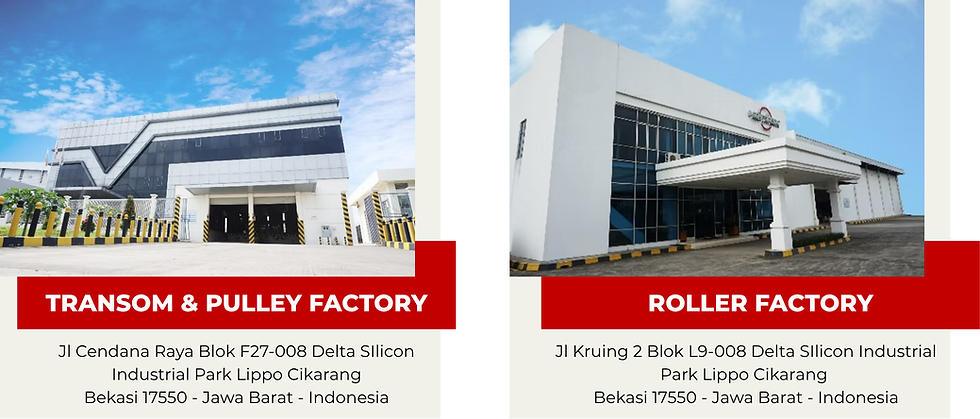
PT Vortex Conveyor International manufactures idlers, pulleys, conveyor frames, and supporting components such as belt cleaners at its facility in Cikarang, Bekasi, with an engineering team ready to support custom requirements. To discuss your coal characteristics and coal conveyor needs, contact our sales team or visit the PT Vortex Conveyor International website.

Jenis Batu Bara dan Pengaruhnya terhadap Desain Conveyor Batu Bara
Dua tambang dapat memakai belt conveyor dengan lebar yang sama, tetapi laju keausan komponennya bisa sangat berbeda. Penyebabnya sering kali bukan kualitas komponen, melainkan jenis batu bara yang diangkut. Karena itu, memahami jenis batu bara dan klasifikasi batu bara merupakan langkah awal sebelum menentukan spesifikasi conveyor batu bara yang tepat.
Klasifikasi Batu Bara Berdasarkan Rank
Batu bara diklasifikasikan berdasarkan rank, yaitu tingkat pematangan yang tercermin pada kandungan karbon dan nilai kalori. Secara umum terdapat empat kelompok utama.
Lignite
merupakan rank terendah dengan warna coklat hingga coklat kehitaman, kandungan air tinggi (hingga 45%), nilai kalor rendah (6.300–8.300 Btu/lb), dan kandungan karbon maksimal sekitar 70%. Material ini cenderung lunak, mudah hancur, dan memiliki sifat non-coking.
Sub-bituminous
berada di atas lignite dengan warna coklat kehitaman hingga hitam, kandungan karbon 40–60%, nilai kalor 8.300–11.500 Btu/lb, dan kadar air 20–30%. Rank ini banyak digunakan untuk pembangkit listrik karena keseimbangan antara kualitas dan ketersediaan.
Bituminous
memiliki kandungan karbon 60–86%, nilai kalor 10.500–14.000+ Btu/lb, kadar air di bawah 20%, dan warna hitam mengkilap. Material ini lebih keras, lebih padat, dan tersedia dalam berbagai kualitas (low, medium, high volatile)
Anthracite
rank tertinggi dengan kandungan karbon 92–98%, nilai kalor di atas 14.000 Btu/lb, kadar air di bawah 15%, warna hitam pekat mengkilap, dan sifat sangat keras. Batu bara ini lebih sulit dibakar namun menghasilkan pembakaran yang lebih bersih.
Klasifikasi ini penting bagi tim engineering karena rank berkaitan dengan sifat fisik material, yang pada akhirnya memengaruhi perilaku batu bara saat bergerak di atas belt.

Karakteristik Fisik Batu Bara yang Memengaruhi Desain Conveyor
Ada tiga karakteristik yang paling menentukan desain mining conveyor: abrasivitas, kelembapan, dan ukuran material.
Abrasivitas
Batu bara mentah bersifat abrasif terhadap belt cover, pulley lagging, dan permukaan roller. Semakin tinggi kandungan mineral pengotor dan kekerasan material, semakin cepat keausan yang terjadi pada komponen conveyor. Desain harus mempertimbangkan cover grade yang tahan aus, idler dengan ketahanan abrasi tinggi, dan protective element pada transfer point.
Kadar Air dan Sifat Lengket (Stickiness)
Lignite dan sebagian sub-bituminous memiliki kadar air tinggi yang membuat material cenderung lengket, terutama saat hujan atau dalam kondisi kelembapan tinggi. Material sticky menimbulkan masalah build-up pada roller, pulley, dan chute, yang dapat mengganggu belt tracking dan meningkatkan beban motor.
Ukuran Material dan Bulk Density
Ukuran lump coal, run-of-mine coal, atau crushed coal memengaruhi desain hopper, chute, skirtboard, dan impact zone. Bulk density yang bervariasi berdasarkan jenis dan moisture content juga memengaruhi perhitungan kapasitas dan pemilihan belt strength.
Ketiganya tidak berdiri sendiri. Batu bara basah berukuran halus, misalnya, dapat menimbulkan masalah yang sama sekali berbeda dari batu bara kering berukuran besar, meskipun keduanya berasal dari kelompok rank yang sama. Spesifikasi idler, pulley, dan belt conveyor sebaiknya ditentukan dari kondisi material aktual, bukan dari nama jenis batu baranya saja.

Rekomendasi Idler dan Belt Cleaner untuk Coal Handling
Untuk aplikasi conveyor batu bara, terutama yang menghadapi material basah dan lengket, beberapa jenis roller dan komponen pembersih direkomendasikan:
STEEL Roller
Steel roller merupakan pilihan yang direkomendasikan untuk aplikasi coal handling, terutama pada sistem conveyor yang menangani material batu bara dengan beban berat dan kapasitas angkut tinggi. Konstruksi baja memiliki kekuatan mekanis dan ketahanan struktural yang baik untuk mendukung operasional conveyor dalam kondisi kerja berat.
UHMWPE (Ultra-High Molecular Weight Polyethylene) Roller
UHMWPE roller menempati posisi menengah dengan ketahanan abrasi dan korosi yang lebih tinggi dibanding HDPE. Material ini memiliki wear resistance lebih baik dibanding baja karbon, menjadikannya pilihan yang tepat untuk aplikasi dengan material abrasif seperti batu bara.
Composite Roller
Composite roller merupakan premium solution dengan ketahanan korosi dan abrasi tertinggi di antara ketiga opsi. Material composite yang dapat mencakup kombinasi HDPE, UHMWPE, fiberglass, carbon fiber, atau polymer reinforced lainnya memberikan performa maksimal untuk kondisi operasional paling menantang.
Belt Cleaner
Pemasangan primary dan secondary belt cleaner pada head pulley membantu mengurangi carryback material, menjaga kebersihan conveyor line, dan mencegah akumulasi material di area return. Kombinasi belt cleaner yang tepat dengan rubber disc return idler memberikan efektivitas pembersihan yang lebih optimal.
Menyesuaikan Spesifikasi Komponen dengan Jenis Batu Bara
Jenis batu bara memberi gambaran awal, tetapi keputusan desain harus bertumpu pada abrasivitas, kelembapan, dan ukuran material di lapangan. Komponen yang tepat sejak awal menekan risiko tumpahan, misalignment, dan penghentian operasi yang tidak direncanakan.
PT Vortex Conveyor International memproduksi idler, pulley, conveyor frame, serta komponen pendukung seperti belt cleaner dari fasilitas manufaktur di Cikarang, Bekasi, dengan dukungan tim engineering untuk kebutuhan custom. Untuk mendiskusikan karakteristik batu bara dan kebutuhan conveyor batu bara di operasi Anda, hubungi tim sales kami atau kunjungi website PT Vortex Conveyor International.


Comments