
How to Design the Right Bulk Material Handling System
Behind every ton of coal successfully transported, every sack of cement that arrives at a distribution warehouse, and every megawatt of electricity produced by a power plant, there is a system working tirelessly behind the scenes: the Bulk Material Handling System. This is the system that determines whether an industrial operation runs efficiently and profitably, or becomes a source of loss due to unexpected downtime.
In today's heavy industry landscape, the ability to move bulk material effectively, quickly, and safely is no longer just a competitive advantage. It is an operational foundation. Companies that understand the architecture of their material handling systems in depth will always stay a step ahead in cost efficiency and production reliability.

What Is a Bulk Material Handling System?
A Bulk Material Handling System refers to the entire infrastructure and mechanism used to move, control, store, and distribute bulk material at an industrial scale. The bulk materials in question include coal, mineral ore, sand, gravel, cement, fertilizer, and biomass. This system goes far beyond a rotating conveyor belt. Bulk material handling covers the full integration of feeders, conveyor systems, stackers, reclaimers, hoppers, chutes, and automated control systems that regulate material flow in real time.
The complexity of a Bulk Material Handling System varies across industries. Coal mines require systems capable of handling abrasive material in massive volumes. Power plants need a consistent fuel supply without interruption. Cement plants demand precision in material blending. This is exactly why such systems are always custom engineered rather than built from a generic, one size fits all solution.
Key Components in an Industrial Material Handling System
The reliability of the entire system depends on the quality of the components that make it up. Each element serves a specific function that cannot be compromised:
Conveyor Belt System
The backbone of bulk material handling. It consists of the belt, idlers, pulleys, and drive unit working in harmony. Choosing the right idler is critical, since idlers bear the material load directly along the entire transport path.
Feeder
Regulates the flow rate of material from the hopper or stockpile to the conveyor. Without a properly calibrated feeder, the system's capacity balance is disrupted, leading to production bottlenecks.
Stacker and Reclaimer
Used for stockpiling and retrieving material in storage areas. These two pieces of equipment work in tandem for large scale material inventory management, particularly at ports, power plants, and high capacity mining facilities.
Hopper and Chute
Transfer points that connect one conveyor segment to the next. Poor chute design is a leading cause of spillage, premature belt wear, and excessive operational noise.
Supporting Components
Such as belt cleaners, belt scales, skirt boards, and conveyor gallery structures, which round out the system to keep operations clean, measurable, and safe in line with industry standards.
Engineering Design and International Standards
Designing an effective Bulk Material Handling System calls for a systematic engineering approach. The process begins with an analysis of material characteristics, covering bulk density, angle of repose, moisture content, abrasiveness, and corrosion potential. Mistakes at this stage can have serious consequences for component selection and overall system performance.
International standards serve as a mandatory reference throughout the design process. CEMA (Conveyor Equipment Manufacturers Association) from the United States sets the most comprehensive technical guidelines for belt conveyor design, covering capacity, belt speed, and component specifications. ISO standards complement these with provisions on dimensional tolerance, material, and component testing. In Indonesia, TKDN regulations are a strategic consideration for industries that prioritize local content in component procurement.
Safety factors in the overall system design cannot be overlooked either. Systems operating in mining areas and power plants must meet fire retardant and anti static requirements, especially for components that come into direct contact with flammable material. FRAS (Fire Retardant Anti Static) specifications on rubber cap rollers, for example, are the minimum standard in coal mining environments with methane gas explosion risks.

Implementation in Power Plants: A Real World Case Study
Coal fired steam power plants are among the most demanding users of Bulk Material Handling Systems in the energy industry. The coal handling system in a power plant must guarantee a continuous coal supply to the boiler, with capacity that can reach thousands of tons per day.
In practice, material handling at a power plant involves a long conveyor line integrated from the port or stockpile to the coal bunker area. Along this route, every transfer point, every idler, and every pulley plays a critical role. The failure of even a single component during peak operating hours can threaten the stability of electricity supply to the distribution grid.
Industry experience shows that investing in high quality components, particularly corrosion resistant Steel Carry Idlers and HDPE Carrier Idlers, significantly reduces maintenance frequency and extends the operational lifespan of the system. This kind of value engineering approach is what separates operators who successfully maintain long term cost efficiency from those stuck in a cycle of reactive repairs.
Technology Trends in Modern Bulk Material Handling Systems
The bulk material handling industry is undergoing a transformation driven by demands for efficiency and sustainability. Several trends now command the attention of engineers and procurement teams in the heavy industry sector:
Predictive Maintenance and IIoT: Vibration and temperature sensors installed on idlers and pulleys enable early detection of damage before a system failure occurs. Data collected in real time is processed to optimize maintenance schedules.
New Generation Component Materials: HDPE and other polymer materials are increasingly used as alternatives to steel in certain components, offering better corrosion resistance and weight reduction that directly impacts operational energy consumption.
Modular Design and Easier Maintenance: Innovations such as the Retractable Impact Idler allow roller replacement in impact loading areas without having to lift the conveyor belt, dramatically cutting downtime and improving safety for field technicians.
Conveyor Component Solutions for Your Bulk Material Handling System
The success of a system is never born from a good design on paper alone. It comes from manufacturing precision, consistent material quality, and genuine technical support in the field. This is the standard we have upheld for more than two decades while serving the mining, power plant, cement, and manufacturing industries in Indonesia and abroad.
PT Vortex Conveyor International is a conveyor component manufacturer and fabrication supplier certified in ISO 9001:2015, TKDN, and SBUJK, based in Bekasi, West Java. From Steel Carry Idlers, HDPE Carrier Idlers, and Retractable Impact Idlers to Self Aligning Carry Idlers, along with a complete range of conveyor pulleys and structural components, every product we manufacture is designed to meet the strictest engineering standards in heavy industry.
We support every stage of the process, from field surveys and custom manufacturing to installation, repair, and maintenance of conveyor components. If you need mining roller conveyor solutions, industrial conveyor components, or an integrated bulk material handling system anywhere in West Java or across Indonesia, our engineering team is ready to provide technical consultation at no cost.
Mining Indonesia Expo 2026
PT Vortex Conveyor International will also take part in Mining Indonesia 2026, introducing a range of the latest conveyor solutions that support operational efficiency, reliability, and safety across the industry. This is an opportunity for industry professionals to see our capabilities and portfolio firsthand.
Contact our sales team now, visit www.vortex.co.id, and follow our social media accounts for the latest insights on conveyor systems and bulk material handling solutions. In an industry that leaves no room for compromise, the right partner is the key to your operational success.

Apa Itu Bulk Material Handling System dan Bagaimana Cara Kerjanya?
Di balik setiap ton batubara yang berhasil diangkut, setiap sak semen yang tiba di gudang distribusi, dan setiap megawatt listrik yang diproduksi oleh power plant, terdapat sistem yang bekerja tanpa henti di balik layar: Bulk Material Handling System. Sistem inilah yang menentukan apakah operasi industri berjalan efisien dan menguntungkan, atau justru menjadi sumber kerugian akibat downtime yang tidak terduga.
Dalam lanskap industri berat modern, kemampuan memindahkan material curah secara efektif, cepat, dan aman bukan lagi sekadar keunggulan kompetitif. Ini adalah fondasi operasional. Perusahaan yang memahami arsitektur sistem material handling secara mendalam akan selalu selangkah lebih maju dalam efisiensi biaya dan keandalan produksi.
Apa Itu Bulk Material Handling System?
Bulk Material Handling System adalah keseluruhan infrastruktur dan mekanisme yang digunakan untuk memindahkan, mengendalikan, menyimpan, dan mendistribusikan material curah / bulk material dalam skala industri. Material curah yang dimaksud mencakup batubara, bijih mineral, pasir, kerikil, semen, pupuk, hingga biomassa. Sistem ini bukan hanya soal conveyor belt yang berputar. Bulk Material Handling mencakup integrasi menyeluruh antara alat pengumpan (feeder), conveyor system, stacker, reclaimer, hopper, chute, hingga sistem kontrol otomatis yang mengatur aliran material secara real-time.
Kompleksitas Bulk Material Handling System berbeda di setiap industri. Tambang batubara membutuhkan sistem yang mampu menangani material abrasif dalam volume masif. Power plant memerlukan pasokan bahan bakar yang konsisten tanpa gangguan. Pabrik semen menuntut presisi dalam pencampuran material. Inilah yang membuat desain sistem tersebut selalu bersifat custom engineering, bukan solusi generik yang bisa diterapkan begitu saja.

Komponen Utama dalam Sistem Material Handling Industri
Keandalan seluruh sistem bergantung pada kualitas komponen yang membentuknya. Setiap elemen memiliki fungsi spesifik yang tidak dapat dikompromikan:
Conveyor Belt System adalah tulang punggung Bulk Material Handling. Sistem ini terdiri dari belt, idler, pulley, dan drive unit yang bekerja secara harmonis. Pemilihan idler yang tepat sangat krusial, karena idler menanggung beban material secara langsung sepanjang jalur pengangkutan.
Feeder berfungsi mengatur laju aliran material dari hopper atau stockpile menuju conveyor. Tanpa feeder yang terkalibrasi dengan baik, keseimbangan kapasitas sistem akan terganggu dan menyebabkan bottleneck produksi.
Stacker dan Reclaimer digunakan untuk penumpukan dan pengambilan material di area stockpile. Kedua alat ini bekerja berpasangan dalam manajemen persediaan material skala besar, terutama di port, power plant, dan fasilitas tambang berkapasitas tinggi.
Hopper dan Chute merupakan titik transfer material yang menghubungkan satu segmen conveyor ke segmen berikutnya. Desain chute yang buruk adalah penyebab utama spillage, keausan belt yang prematur, dan kebisingan operasional yang berlebihan.
Komponen Pendukung seperti belt cleaner, belt scale, skirt board, dan conveyor gallery structure melengkapi sistem agar operasi berjalan bersih, terukur, dan aman sesuai standar industri.
Desain Engineering dan Standar Internasional
Merancang Bulk Material Handling System yang efektif membutuhkan pendekatan engineering yang sistematis. Proses dimulai dari analisis karakteristik material, yang mencakup bulk density, sudut repose, kadar kelembaban, sifat abrasivitas, hingga potensi korosi. Kesalahan dalam tahap ini akan berakibat fatal pada pemilihan komponen dan performa sistem secara keseluruhan.
Standar internasional menjadi acuan wajib dalam setiap proses desain. CEMA (Conveyor Equipment Manufacturers Association) dari Amerika Serikat menetapkan panduan teknis paling komprehensif untuk desain belt conveyor, termasuk kapasitas, kecepatan belt, dan spesifikasi komponen. Standar ISO melengkapi dengan ketentuan toleransi dimensi, material, dan pengujian komponen. Di Indonesia sendiri, regulasi TKDN menjadi pertimbangan strategis bagi industri yang mengutamakan kandungan lokal dalam pengadaan komponen.
Faktor keselamatan dalam desain keseluruhan sistem tersebut juga tidak dapat diabaikan. Sistem yang beroperasi di area pertambangan dan power plant harus memenuhi persyaratan fire retardant dan anti-static, terutama pada komponen yang bersentuhan langsung dengan material mudah terbakar. Spesifikasi FRAS (Fire Retardant Anti Static) pada rubber cap roller, misalnya, adalah standar minimum di lingkungan pertambangan batubara yang memiliki risiko ledakan gas metan.
Implementasi di Power Plant: Studi Kasus Nyata
Pembangkit listrik tenaga uap (PLTU) berbahan bakar batubara adalah salah satu pengguna Bulk Material Handling System paling demanding di industri energi. Sistem coal handling di power plant harus mampu menjamin pasokan batubara yang kontinu ke boiler, dengan kapasitas yang dapat mencapai ribuan ton per hari.
Dalam implementasinya, material handling di power plant melibatkan jalur conveyor panjang yang terintegrasi dari pelabuhan atau stockpile ke area coal bunker. Di sepanjang jalur ini, setiap titik transfer, setiap idler, dan setiap pulley memegang peranan kritis. Kegagalan satu komponen saja pada jam operasi puncak dapat mengancam stabilitas pasokan listrik ke jaringan distribusi.
Pengalaman industri menunjukkan bahwa investasi pada komponen berkualitas tinggi, khususnya Steel Carry Idler dan HDPE Carrier Idler yang tahan korosi, secara signifikan mengurangi frekuensi maintenance dan memperpanjang umur operasional sistem. Pendekatan value engineering seperti ini membedakan operator yang berhasil menjaga efisiensi biaya jangka panjang dari yang terus terjebak dalam siklus perbaikan reaktif.
Tren Teknologi Bulk Material Handling System Modern
Industri bulk material handling sedang mengalami transformasi yang didorong oleh tuntutan efisiensi dan keberlanjutan. Beberapa tren yang kini menjadi perhatian utama para engineer dan procurement di sektor industri berat antara lain:
Predictive Maintenance dan IIoT
Sensor getar dan temperatur yang dipasang pada idler dan pulley memungkinkan deteksi dini kerusakan sebelum terjadi kegagalan sistem. Data yang dikumpulkan secara real-time diolah untuk mengoptimalkan jadwal perawatan.
Material Komponen Generasi Baru
HDPE dan material polimer lainnya semakin banyak digunakan sebagai alternatif baja pada komponen tertentu, memberikan keunggulan dalam ketahanan korosi dan pengurangan bobot yang berdampak langsung pada konsumsi energi operasional.
Desain Modular dan Kemudahan Maintenance
Inovasi seperti Retractable Impact Idler memungkinkan penggantian roller di area impact loading tanpa perlu mengangkat belt conveyor, memangkas waktu downtime secara dramatis dan meningkatkan keselamatan teknisi lapangan.
Solusi Komponen Conveyor untuk Bulk Material Handling System Anda
Keberhasilan sebuah sistem tidak lahir dari desain yang bagus di atas kertas semata. Ia lahir dari presisi manufaktur, konsistensi kualitas material, dan dukungan teknis yang nyata di lapangan. Inilah standar yang kami pegang selama lebih dari dua dekade melayani industri pertambangan, power plant, semen, dan manufacturing di Indonesia dan mancanegara.
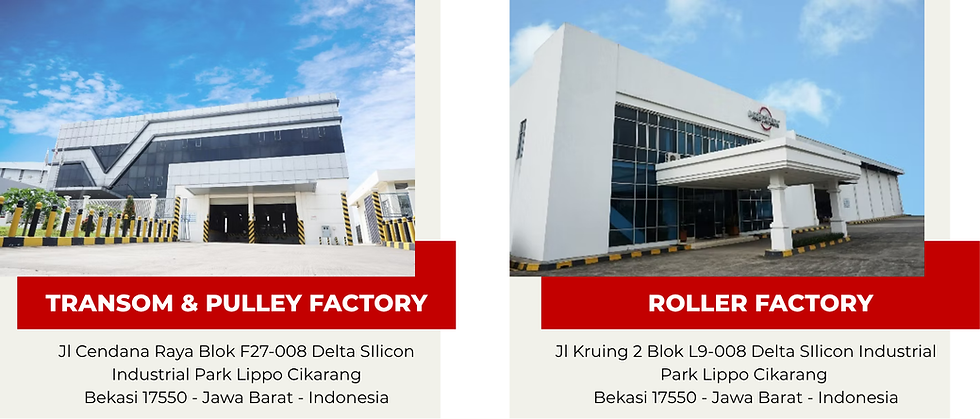
PT Vortex Conveyor International adalah produsen dan supplier fabrikasi komponen conveyor bersertifikasi ISO 9001:2015, TKDN, dan SBUJK yang berlokasi di Bekasi, Jawa Barat. Dari Steel Carry Idler, HDPE Carrier Idler, Retractable Impact Idler, Self Aligning Carry Idler, hingga rangkaian lengkap pulley conveyor dan komponen struktur, setiap produk kami dirancang untuk memenuhi standar engineering paling ketat di industri berat.
Kami melayani kebutuhan mulai dari survey lapangan, custom manufacturing, instalasi, hingga repair dan maintenance komponen conveyor. Bagi Anda yang membutuhkan solusi roller conveyor tambang, komponen conveyor industri, atau sistem bulk material handling terintegrasi di wilayah Jawa Barat dan seluruh Indonesia, tim engineering kami siap memberikan konsultasi teknis tanpa biaya.
Event Mining Indonesia Expo 2026
PT Vortex Conveyor International juga akan hadir di Mining Indonesia 2026, memperkenalkan berbagai solusi conveyor terbaru yang mendukung efisiensi, keandalan, dan keselamatan operasional industri. Ini adalah kesempatan bagi para profesional industri untuk melihat langsung kapabilitas dan portofolio kami.
Hubungi tim sales kami sekarang, kunjungi www.vortex.co.id, dan ikuti akun media sosial kami untuk mendapatkan insight terkini seputar conveyor system dan bulk material handling solution. Karena di industri yang tidak mengenal kompromi, mitra yang tepat adalah kunci keberhasilan operasional Anda.


Comments