
What Are the Types of Conveyor Pulleys and Their Functions

The conveyor pulley is the nerve center of power transmission, the guide for belt direction, and the arbiter of tension stability throughout the entire conveyor system. When a pulley fails, the consequences reach far beyond a material flow interruption: unplanned production downtime, belt damage, and escalating maintenance costs that can significantly undermine operational productivity.
In the mining, cement, coal, and heavy manufacturing sectors, selecting the right type of conveyor pulley is never a matter of guesswork. Each pulley type carries a distinct function, installation position, and technical profile tailored to specific system requirements. Variables such as belt tension, load capacity, working environment conditions, and the nature of the material being conveyed must all form the basis of any pulley specification decision.
The Fundamental Role of the Conveyor Pulley in Belt Conveyor Systems
In bulk material handling systems, the belt conveyor serves as the backbone of continuous material transfer from one point to another. Yet no conveyor system can function without its pulleys. Technically, a pulley is a rotating cylindrical component mounted at strategic points along the conveyor path to drive, guide, and maintain belt tension.
The reliability of the entire conveyor system is directly tied to the quality and accuracy of pulley selection. An undersized component, one made from the wrong material, or a unit that falls short of operational load standards will become the weakest link, triggering system failure far sooner than anticipated. In large-scale mining and manufacturing, this is not merely a technical inconvenience; it represents a tangible financial risk.
7 Types of Conveyor Pulleys and Their Functions
Each pulley type is engineered to perform a specific function within the belt conveyor ecosystem. Understanding the distinctions and individual roles of each is the foundation for designing a conveyor system that is both efficient and built to last.
Head Pulley

Positioned at the discharge end of the belt conveyor system, the head pulley is the primary discharge point where material is released to its final destination. In many configurations, it simultaneously serves as the drive pulley. Its diameter is generally larger than other pulleys in the same system, and its surface is commonly fitted with rubber or ceramic lagging to enhance belt traction and extend service life, particularly under wet operating conditions or with highly abrasive materials.
Drive Pulley
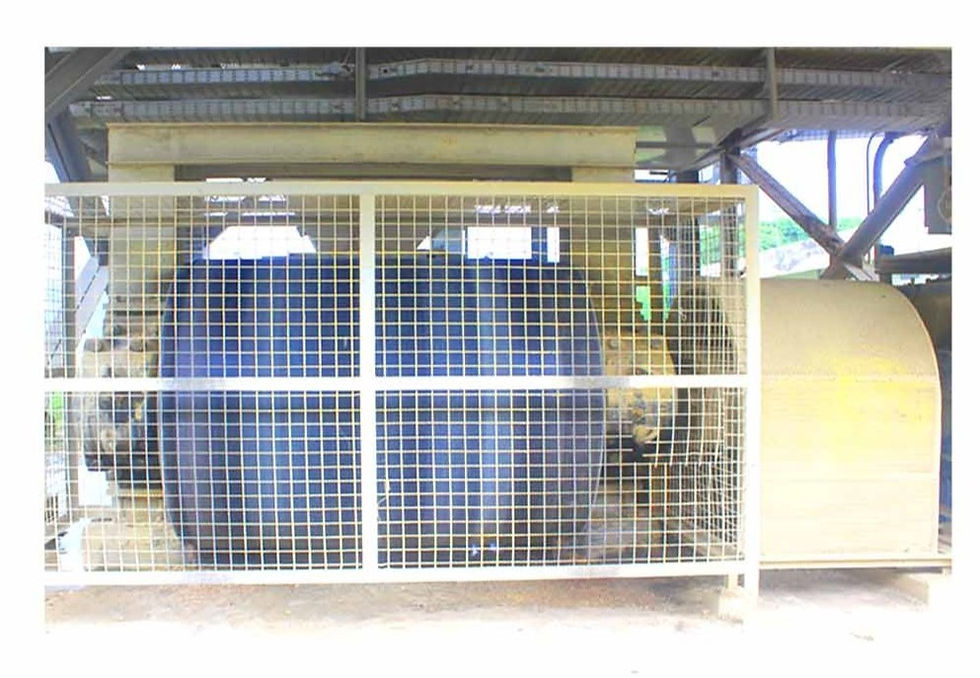
The primary function of the drive pulley is to power the entire belt conveyor system by transferring mechanical force from the drive unit (motor and gearbox) to the belt. Directly coupled to the drive system, it must withstand full operational torque. Lagging quality on the drive pulley is critical: slippage between pulley and belt causes severe belt wear and a measurable loss of overall system efficiency.
Tail Pulley

Located at the feed end of the conveyor system, the tail pulley redirects the belt from the return path back to the carrying side. Its construction is similar to the drive pulley, but it is not equipped with a drive unit. In certain configurations, the tail pulley also doubles as a take-up pulley to maintain consistent belt tension. Correct installation and precise alignment of the tail pulley are key determinants of overall belt tracking stability.
Snub Pulley

The snub pulley maintains and optimizes the wrap angle between the conveyor belt and the main drive pulley. By increasing the contact arc, it directly enhances power transmission capacity and prevents belt slippage, which is especially critical in heavy-load conveyor systems or installations where layout space is constrained.
Take-Up Pulley

Consistent belt tension is a non-negotiable requirement of any efficient conveyor system. The take-up pulley regulates and maintains that tension within optimal parameters across all operating phases, from start-up and full-load running to variable-load conditions. Take-up systems may be gravity type, screw type, or hydraulic type, depending on the specific requirements of the installation.
Bend Pulley

The bend pulley redirects the belt path, guiding it toward the take-up pulley or the tripper area as required. This component enables greater flexibility in conveyor layout design, including systems that incorporate vertical or horizontal directional changes mid-route. Diameter selection and lagging specification for the bend pulley must account for the angle of deflection and the actual belt tension at that specific point.
Wing Pulley

The wing pulley is a specialized solution deployed when conventional methods of preventing material ingress between the belt and pulley are no longer sufficient. It features blade-like fins or wings along its sides that actively eject bulk material spillage from the belt, protecting against belt damage and reducing vibration.
This component is widely valued and extensively used at the tail end or bend points of conveyors across diverse industrial sectors, including mining, agriculture, and general bulk material handling.
Technical Guide to Selecting the Right Conveyor Pulley
An incorrect pulley selection means more than premature component replacement. It can lead to belt damage, structural failure of the conveyor frame, and even workplace safety hazards. The following technical parameters must form the basis of every selection decision:
Load capacity and belt tension
Calculate the maximum belt tension at each pulley installation point to determine the appropriate shell dimensions, shaft size, and bearing specification.
Material type and characteristics
Abrasive materials such as coal, iron ore, or cement require different lagging and shell material specifications compared to low-abrasion counterparts.
Operating environment conditions
Wet, corrosive, or high-temperature environments require additional protection for bearing housings and pulley surfaces.
Design standards and certifications
Ensure the pulley is manufactured in compliance with applicable industry standards (ISO or local TKDN requirements) to guarantee system compatibility and satisfy technical audit criteria.
After-sales support and spare parts availability
Choose a supplier who delivers more than just a product; one capable of providing long-term technical support, including repair and maintenance services.
Trusted Conveyor Pulley Solutions for Your Industrial Operations
Selecting the right conveyor pulley for large-scale mining or manufacturing operations demands far more than browsing a product catalogue. It requires a technical partner who genuinely understands field-specific challenges, can deliver precise engineering recommendations, and has a verified manufacturing track record.
PT Vortex Conveyor International is a manufacturer and supplier of conveyor components with over two decades of experience in the bulk material handling industry. Certified to ISO 9001:2015, SBUJK, and TKDN standards, Vortex produces a complete range of conveyor pulleys, including head pulleys, drive pulleys, tail pulleys, snub pulleys, take-up pulleys, bend pulleys, and wing pulleys, all manufactured to rigorous quality standards with the capability for custom designs built to client technical specifications.
Strategically based in West Java, Vortex serves the sourcing needs of conveyor roller factories and component suppliers across the mining, cement, coal, mineral, and broader manufacturing sectors, catering to both domestic operations and international export markets. With a comprehensive end-to-end service offering spanning needs assessment, manufacturing, installation, repair, and ongoing maintenance, Vortex stands as the single-source solution for all conveyor system requirements.
Contact our sales team for technical consultations and competitive quotations, visit our website at www.vortex.co.id, or follow our official company social media channels for the latest updates. The Vortex engineering team is ready to help you identify the conveyor pulley specifications that best align with your operational requirements and budget.

Apa Saja Jenis Conveyor Pulley dan Fungsinya ?
Pulley adalah pusat transmisi tenaga, pengatur arah belt, sekaligus penentu kestabilan tegangan dalam keseluruhan sistem conveyor. Ketika pulley mengalami kegagalan, dampaknya tidak hanya berupa berhentinya aliran material, tetapi juga potensi downtime produksi, kerusakan belt conveyor, hingga meningkatnya biaya maintenance yang dapat mengganggu produktivitas operasional secara signifikan.
Dalam industri pertambangan, semen, batubara, dan manufaktur berat, pemilihan jenis conveyor pulley tidak bisa dilakukan secara sembarangan. Setiap pulley memiliki fungsi, posisi, dan karakteristik teknis yang berbeda sesuai kebutuhan sistem conveyor. Faktor seperti belt tension, kapasitas beban, kondisi lingkungan kerja, hingga jenis material yang diangkut harus menjadi pertimbangan utama sebelum menentukan spesifikasi pulley yang digunakan.
Peran Fundamental Conveyor Pulley dalam Sistem Belt Conveyor
Dalam sistem bulk material handling, belt conveyor adalah tulang punggung perpindahan material dari satu titik ke titik lain secara kontinu. Namun sistem ini tidak akan berfungsi tanpa kehadiran pulley. Secara teknis, pulley adalah komponen silindris berputar yang dipasang pada titik-titik strategis di sepanjang lintasan conveyor untuk menggerakkan, mengarahkan, dan menjaga tegangan belt.
Keandalan seluruh sistem conveyor bergantung langsung pada kualitas dan ketepatan pemilihan pulley. Sebuah pulley yang undersized, salah material, atau tidak sesuai standar beban operasional akan menjadi titik lemah yang memicu kegagalan sistem jauh lebih cepat dari perkiraan. Di industri pertambangan dan manufaktur skala besar, hal tersebut bukan sekadar masalah teknis, melainkan potensi kerugian finansial yang nyata.

7 Jenis Conveyor Pulley dan Fungsinya
Setiap jenis pulley dirancang untuk menjalankan fungsi spesifik dalam ekosistem belt conveyor. Memahami perbedaan dan perannya masing-masing adalah fondasi dalam merancang sistem conveyor yang efisien dan tahan lama.
Head Pulley
Terletak di ujung depan sistem conveyor belt, head pulley merupakan titik discharge utama tempat material dicurahkan ke tujuan akhir. Dalam banyak konfigurasi, head pulley juga sekaligus berfungsi sebagai drive pulley. Diameter head pulley umumnya lebih besar dibandingkan pulley lain dalam sistem yang sama, dan permukaannya sering dilapisi rubber lagging atau ceramic lagging untuk meningkatkan traksi belt sekaligus memperpanjang umur pakai komponen ini, terutama pada kondisi operasi basah atau material abrasif tinggi.
Drive Pulley
Fungsi utama drive pulley adalah menggerakkan seluruh sistem conveyor belt dengan cara mentransfer tenaga dari unit penggerak (motor dan gearbox) ke belt. Drive pulley dipasangkan langsung dengan drive system dan harus mampu menahan torsi operasional penuh. Kualitas lagging pada drive pulley sangat krusial karena selip antara pulley dan belt dapat menyebabkan keausan belt yang drastis dan penurunan efisiensi sistem secara keseluruhan.
Tail Pulley
Tail pulley berada di ujung belakang sistem conveyor dan berfungsi mengembalikan arah belt dari jalur return. Konstruksinya serupa dengan driver pulley, namun tidak dilengkapi dengan unit penggerak. Pada sistem tertentu, tail pulley juga merangkap fungsi sebagai take-up pulley untuk menjaga konsistensi tegangan belt. Pemasangan dan alignment tail pulley yang tepat adalah faktor penentu kestabilan tracking belt secara keseluruhan.
Snub Pulley
Snub pulley berfungsi untuk menjaga dan mengoptimalkan sudut lilitan (winding angle) antara belt conveyor dan pulley utama. Dengan meningkatkan contact arc antara belt dan drive pulley, snub pulley secara langsung meningkatkan kapasitas transmisi tenaga dan mencegah selip belt, terutama pada sistem conveyor dengan beban berat atau pada instalasi dengan keterbatasan ruang layout.
Take-Up Pulley
Tegangan belt yang konsisten adalah syarat mutlak sistem conveyor yang efisien. Take-up pulley hadir untuk mengatur dan menjaga tegangan belt agar tetap berada dalam parameter optimal, baik pada saat starting, operasi penuh, maupun kondisi beban berubah. Sistem take-up dapat berupa gravity type, screw type, maupun hydraulic type tergantung pada kebutuhan spesifik instalasi.
Bend Pulley
Bend pulley digunakan untuk mengubah arah lintasan belt conveyor, baik untuk membimbing belt menuju take-up pulley maupun ke area tripper. Komponen ini memungkinkan desain layout conveyor yang lebih fleksibel, termasuk pada sistem yang memiliki perubahan arah vertikal atau horizontal di tengah lintasan. Pemilihan diameter dan lagging bend pulley harus mempertimbangkan sudut perubahan arah serta tegangan belt aktual pada titik tersebut.
Wing Pulley
Wing pulley merupakan solusi khusus yang digunakan ketika metode konvensional untuk mencegah material masuk di antara belt dan pulley sudah tidak memadai. Pulley yang memiliki bilah atau sirip menyerupai sayap di sepanjang sisinya. Sayap ini berfungsi membuang tumpahan material curah keluar dari belt conveyor untuk mencegah kerusakan belt dan mengurangi getaran.
Komponen ini sangat penting dan banyak digunakan pada area tail (ekor) atau belokan konveyor di berbagai sektor industri seperti pertambangan, pertanian, dan penanganan material curah lainnya.

Panduan Teknis Memilih Conveyor Pulley yang Tepat
Kesalahan dalam memilih pulley bukan hanya berarti penggantian komponen lebih awal, namun bisa berujung pada kerusakan belt, kerusakan struktural frame conveyor, bahkan risiko keselamatan kerja. Berikut beberapa parameter teknis yang wajib menjadi dasar keputusan:
Kapasitas beban dan belt tension
Hitung tegangan belt maksimum pada setiap titik instalasi pulley untuk menentukan dimensi shell, shaft, dan bearing yang sesuai.
Jenis dan karakteristik material
Material abrasif seperti batubara, bijih besi, atau semen membutuhkan spesifikasi lagging dan material shell yang berbeda dibanding material dengan abrasi rendah.
Kondisi lingkungan operasi
Lingkungan basah, korosif, atau bersuhu tinggi memerlukan perlindungan tambahan pada bearing housing dan permukaan pulley.
Standar desain dan sertifikasi
Pastikan pulley diproduksi sesuai standar industri yang berlaku (ISO atau standar lokal TKDN) agar kompatibel dengan sistem yang ada dan memenuhi persyaratan audit teknis.
Dukungan after-sales dan ketersediaan spare part
Pilih supplier yang tidak hanya menyediakan produk, tetapi juga mampu memberikan dukungan teknis jangka panjang, termasuk layanan repair dan maintenance.
Solusi Conveyor Pulley Terpercaya untuk Operasi Industri Anda
Memilih pulley conveyor yang tepat untuk operasi pertambangan atau manufaktur skala besar memerlukan lebih dari sekadar katalog produk. Dibutuhkan partner teknis yang memahami tantangan spesifik di lapangan, mampu memberikan rekomendasi engineering yang presisi, dan memiliki rekam jejak produksi yang terverifikasi.
PT Vortex Conveyor International adalah produsen dan supplier komponen conveyor dengan pengalaman lebih dari 25 tahun dalam industri bulk material handling. Bersertifikasi ISO 9001:2015, SBUJK, dan TKDN, Vortex memproduksi banyak tipe conveyor pulley mulai dari head pulley, drive pulley, tail pulley, snub pulley, take-up pulley, bend pulley, hingga wing pulley, dengan standar manufacturing yang ketat dan kemampuan custom design sesuai spesifikasi teknis klien.
Berlokasi strategis di Jawa Barat, Vortex menjual berbagai macam komponen conveyor heavy duty seperti sektor pertambangan, semen, batubara, mineral, dan berbagai industri manufaktur lainnya, baik skala lokal maupun ekspor internasional. Dengan layanan end-to-end mulai dari survey kebutuhan, manufacturing, instalasi, hingga repair dan maintenance, Vortex hadir sebagai solusi satu pintu untuk seluruh kebutuhan sistem conveyor Anda.
Jika anda masih belum tau Bagaimana cara memilih pulley Conveyor untuk operasi pertambangan?, atau
Di mana saya bisa mendapatkan komponen Conveyor industri di Indonesia?. cukup hubungi team sales PT Vortex Conveyor International di laman CONTACT atau bisa dengan mengklik link berikut untuk langsung terhubung dengan WhatsApp > klik DISINI <.



Comments