
Belt Cleaner, Skirtboard, and Chute as Conveyor Spillage Solutions
Material spillage is not just background noise that operations can afford to ignore. At many mining sites and bulk material processing plants, spilled material along the conveyor belt line is often treated as a minor issue, yet its impact can spread much further, from wasted material and rising housekeeping costs to workplace accident risks and potential damage to the conveyor components themselves.
For companies that rely on bulk material handling systems as the backbone of production, understanding the root cause of spillage and how to address it is a strategic step, not just a reactive fix.

The Impact of Spillage on Efficiency, Safety, and the Work Environment
Material spillage left unaddressed affects several operational aspects at once. From an efficiency standpoint, spilled material represents lost production volume that should have reached the next process stage. From a safety standpoint, material piling up around the conveyor area can create slipping hazards, block work areas, and even trigger fires when the material is flammable.
From a work environment standpoint, dust and scattered material that keeps accumulating adds to daily housekeeping workload and can hurt how professional the facility looks to auditors and clients alike.
Some of the most common consequences seen in the field include:
Higher cleaning costs and the need for extra labor to regularly clear spillage areas
Faster wear on conveyor rollers, belts, and frame structures caused by trapped material
Unscheduled downtime risk from belt misalignment or damage caused by material buildup
Potential violations of occupational health and safety standards in the production area
Transfer Points and Loading Zones: The Critical Areas Behind Spillage
Most cases of material spillage do not happen along the straight sections of the conveyor, but at transfer points and loading zones. This is where bulk material moves from one conveyor to another, or from a hopper onto the belt, causing a sudden change in the speed and direction of material flow. A poorly matched chute, hopper, or skirtboard design at these points is the leading cause of material being thrown off the belt line.
Beyond design factors, operational conditions such as excessive belt speed, loading capacity that exceeds the system's design, and wet or sticky material also make spillage worse. This is why a thorough evaluation of transfer points and loading zones should always be the first step before deciding on the right technical solution.

Chute, Hopper, and Skirtboard Design as the Primary Solution
Controlling material flow from the very start of the transfer process depends heavily on chute and hopper design. A chute built with the right slope angle and lining can direct material onto the belt in a controlled way, without the excessive impact that leads to spillage. A hopper with the appropriate capacity and geometry likewise helps material flow evenly rather than surging in large volumes that cause overflow.
To complete the system, the skirtboard keeps material centered on the belt during loading, particularly in areas prone to material turbulence caused by belt speed or changes in flow direction. A skirtboard installed with precise spacing and height relative to the belt surface minimizes gaps where material can escape while also helping preserve the belt's service life. This integrated combination of chute, hopper, and skirtboard forms the main foundation of a reliable anti-spillage system.
The Role of Belt Cleaners and Recommended Anti-Spillage System Combinations
Beyond controlling spillage at the loading point, another challenge that often goes unnoticed is carryback, the residual material still clinging to the belt surface after unloading at the head pulley. If left uncleaned, this material falls along the return conveyor path and becomes a new source of spillage throughout the conveyor gallery structure. This is where the belt cleaner plays an essential role, consistently removing leftover material before the belt returns to the loading position.
The most effective approach to solving spillage is not choosing a single component but designing a combination of systems that work together. Precise chute and hopper design, a skirtboard with tight sealing, a belt cleaner with the right blade pressure, and conveyor idlers selected to match the material and terrain conditions all come together to form a more stable material handling system with minimal material loss. It is also worth noting that idlers with FRAS (Fire Retardant Anti Static) rubber caps are an important consideration for work areas with flammable material risks, and they support long term operational reliability since they are maintenance free and do not require periodic regreasing.
Build a Spillage-Free Conveyor System with PT Vortex Conveyor International
Fully resolving material spillage calls for a comprehensive engineering approach, from analyzing transfer points and designing chutes and skirtboards suited to material characteristics, to selecting the right belt cleaner and conveyor components. PT Vortex Conveyor International serves as an engineering partner with more than two decades of experience in manufacturing mining roller conveyors, conveyor components, and bulk material handling solutions for heavy industry sectors both in Indonesia and abroad.
As a roller conveyor manufacturing supplier certified in ISO 9001:2015, SBUJK, and TKDN, PT Vortex Conveyor International handles custom conveyor system design according to technical specifications and field conditions, covering survey, manufacturing, installation, repair, and maintenance. For companies in Bekasi or other operational areas across Indonesia looking for chute, skirtboard, belt cleaner, or custom conveyor component solutions to permanently resolve spillage, our engineering team is ready to provide a technical consultation tailored to your facility's needs.
As part of our commitment to supporting the bulk material handling industry in Indonesia, PT Vortex Conveyor International will also take part in Mining Indonesia 2026 to present a range of bulk material system solutions already proven in the mining, manufacturing, and energy sectors. Contact our sales team for a custom chute and skirtboard design consultation, visit www.vortex.co.id for more complete product information, and follow PT Vortex Conveyor International's official social media channels to stay updated on our latest conveyor solutions.

Cara Mengatasi Spillage Material pada Conveyor Belt Secara Efektif
Spillage material bukan sekadar noise operasional yang bisa dibiarkan begitu saja. Di banyak fasilitas tambang dan pabrik pengolahan bulk material / material curah, tumpahan material di sepanjang jalur conveyor belt sering dianggap masalah kecil, padahal dampaknya bisa merembet jauh, mulai dari pemborosan material, peningkatan biaya housekeeping, risiko kecelakaan kerja, hingga potensi kerusakan pada komponen conveyor itu sendiri.
Bagi perusahaan yang mengandalkan sistem bulk material handling sebagai tulang punggung produksi, memahami akar masalah spillage dan cara mengatasinya adalah langkah strategis, bukan sekadar perbaikan reaktif.
Dampak Spillage terhadap Efisiensi, Keselamatan, dan Lingkungan Kerja
Spillage material yang dibiarkan berlarut-larut akan berdampak pada beberapa aspek operasional sekaligus. Dari sisi efisiensi, material yang tumpah berarti kehilangan volume produksi yang seharusnya sampai ke titik proses berikutnya. Dari sisi keselamatan, tumpukan material di sekitar area conveyor dapat menjadi sumber tergelincir, menyumbat area kerja, bahkan memicu kebakaran pada material tertentu yang mudah terbakar.
Dari sisi lingkungan kerja, debu dan ceceran material yang terus menumpuk akan menambah beban housekeeping harian dan menurunkan citra profesionalisme fasilitas produksi di mata auditor maupun klien.
Beberapa konsekuensi yang paling sering ditemukan di lapangan antara lain:
Peningkatan biaya cleaning dan tenaga kerja tambahan untuk membersihkan area spillage secara rutin
Percepatan keausan pada roller conveyor, belt, dan struktur frame akibat material yang terselip
Risiko downtime tidak terjadwal karena belt mengalami misalignment atau kerusakan akibat penumpukan material
Potensi pelanggaran standar keselamatan kerja (K3) di area produksi

Transfer Point dan Loading Zone: Titik Kritis Penyebab Spillage
Sebagian besar kasus spillage material terjadi bukan di sepanjang jalur lurus conveyor, melainkan di titik transfer point dan loading zone. Pada area ini, material curah berpindah dari satu conveyor ke conveyor lain atau dari hopper menuju belt, sehingga terjadi perubahan kecepatan dan arah aliran material secara mendadak. Ketidaksesuaian desain chute, hopper, atau skirtboard pada titik ini menjadi penyebab utama material terlempar keluar dari jalur belt conveyor.
Selain faktor desain, kondisi operasional seperti kecepatan belt yang terlalu tinggi, kapasitas loading yang melebihi rancangan sistem, serta kondisi material yang basah atau lengket juga memperparah potensi spillage. Oleh karena itu, evaluasi menyeluruh terhadap titik transfer dan loading zone menjadi langkah awal yang wajib dilakukan sebelum menentukan solusi teknis yang tepat.
Peran Desain Chute, Hopper, dan Skirtboard sebagai Solusi Utama
Untuk mengendalikan aliran material sejak awal proses transfer, desain chute dan hopper memegang peranan penting. Chute yang dirancang dengan sudut kemiringan dan lining yang tepat mampu mengarahkan material secara terkontrol menuju belt conveyor tanpa menimbulkan benturan berlebihan yang memicu tumpahan. Hopper dengan kapasitas dan geometri yang sesuai turut memastikan material mengalir secara merata, bukan menghentak dalam volume besar yang dapat menyebabkan overflow.
Sebagai pelengkap, skirtboard berfungsi menahan material tetap berada di tengah belt selama fase loading berlangsung, khususnya pada area yang rentan terhadap turbulensi material akibat kecepatan belt maupun perubahan arah aliran. Skirtboard yang dipasang dengan jarak dan tinggi yang presisi terhadap permukaan belt akan meminimalkan celah keluarnya material sekaligus menjaga umur pakai belt itu sendiri. Kombinasi chute, hopper, dan skirtboard yang dirancang secara terintegrasi inilah yang menjadi fondasi utama sistem anti-spillage yang andal.
Fungsi Belt Cleaner dan Rekomendasi Kombinasi Sistem Anti-Spillage
Selain menahan spillage pada titik loading, tantangan lain yang sering luput dari perhatian adalah carryback, yaitu sisa material yang masih menempel pada permukaan belt setelah proses unloading di head pulley. Material yang tidak dibersihkan ini akan jatuh sepanjang jalur return conveyor dan menjadi sumber spillage baru di sepanjang struktur conveyor gallery. Di sinilah belt cleaner berperan penting untuk membersihkan sisa material secara konsisten sebelum belt kembali ke posisi loading.
Pendekatan yang paling efektif dalam mengatasi spillage bukanlah memilih satu komponen saja, melainkan merancang kombinasi sistem yang saling melengkapi. Desain chute dan hopper yang presisi, skirtboard dengan sealing yang rapat, belt cleaner dengan tekanan blade yang sesuai, ditambah pemilihan idler conveyor dengan spesifikasi yang tepat untuk kondisi material dan medan operasional, akan membentuk sistem material handling yang lebih stabil dan minim kehilangan material. Sebagai catatan tambahan, pemilihan idler dengan rubber cap ber-FRAS (Fire Retardant Anti Static) juga menjadi pertimbangan penting di area kerja dengan risiko material mudah terbakar, sekaligus mendukung keandalan operasional jangka panjang karena sifatnya yang free maintenance dan tidak memerlukan regreasing berkala.
Wujudkan Sistem Conveyor Bebas Spillage bersama PT Vortex Conveyor International
Mengatasi spillage material secara tuntas membutuhkan pendekatan engineering yang menyeluruh, mulai dari analisis titik transfer, desain chute dan skirtboard yang disesuaikan dengan karakteristik material, hingga pemilihan belt cleaner dan komponen conveyor yang tepat guna. PT Vortex Conveyor International hadir sebagai partner engineering dengan pengalaman lebih dari dua dekade dalam manufaktur roller conveyor tambang, komponen conveyor, dan solusi bulk material handling untuk berbagai sektor industri berat di dalam maupun luar negeri.
Sebagai supplier pabrik roller conveyor yang telah bersertifikasi ISO 9001:2015, SBUJK, dan TKDN, PT Vortex Conveyor International melayani kebutuhan custom design conveyor system sesuai spesifikasi teknis dan kondisi lapangan, mulai dari tahap survey, manufacturing, instalasi, hingga repair dan maintenance. Bagi perusahaan di kawasan Bekasi maupun wilayah operasional lain di Indonesia yang mencari solusi chute, skirtboard, belt cleaner, atau komponen conveyor custom untuk mengatasi spillage secara permanen, tim engineering kami siap melakukan konsultasi teknis sesuai kebutuhan fasilitas Anda.
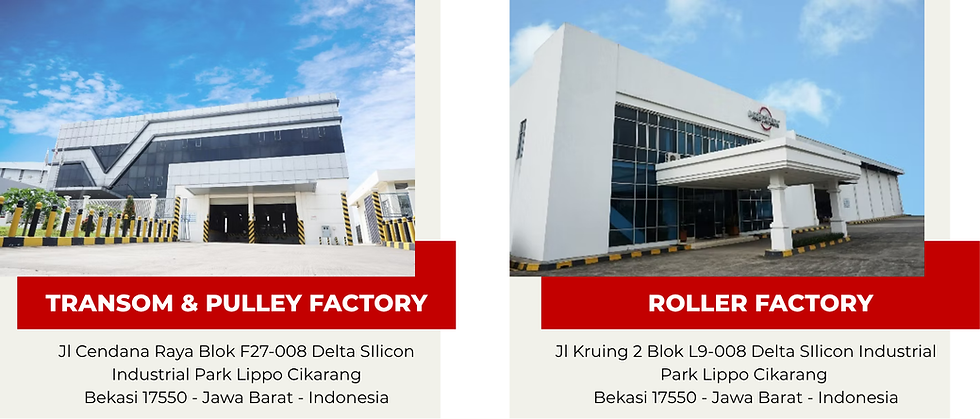
PT Vortex Conveyor International akan Hadir pada event MINING INDONESIA 2026
Sebagai bentuk komitmen dalam mendukung industri bulk material handling di Indonesia, PT Vortex Conveyor International juga akan hadir pada ajang Mining Indonesia 2026 untuk memperkenalkan berbagai solusi sistem material curah yang telah terbukti diaplikasikan di sektor pertambangan, manufacturing, dan energi. Hubungi tim sales kami untuk konsultasi desain chute dan skirtboard custom, kunjungi www.vortex.co.id untuk informasi produk lebih lengkap, dan ikuti sosial media resmi PT Vortex Conveyor International agar tidak melewatkan update solusi conveyor terbaru dari kami.


Comments