
Belt Conveyors for Palm Oil: Technical Challenges and Solutions
- Best Conveyor

- Jun 20
- 11 min read
How Belt Conveyor Systems Are Designed for Modern Palm Oil Mills ?
Every ton of Fresh Fruit Bunches that gets processed late represents a real loss. In a palm oil mill, the speed and reliability of the material handling system is not just an operational efficiency concern; it is a determining factor in the quality of the palm oil produced. A single failure point on the conveyor line can bring an entire production process to a halt within minutes.
This is why designing a belt conveyor system for a palm oil mill cannot be approached generically. The palm oil mill environment has unique characteristics: wet and oily material, high impact loads at loading points, varying haul inclines, and corrosion risk from exposure to steam and palm oil liquid. So what is the right conveyor recommendation for the palm oil industry? This article walks through the technical approach needed to design a conveyor system that truly fits the demands of palm oil processing.

Mapping the Material Flow in a Palm Oil Mill
Before settling on technical specifications, an engineer first needs to map every conveying point across the production process of a palm oil mill. Broadly speaking, material moves through several key stages:
Receiving conveyor that transports Fresh Fruit Bunches from the loading ramp to the fruit bunch conveyor
Material transfer from the sterilizer to the thresher via the thresher conveyor
Handling of empty bunches and fiber as byproducts
Kernel conveyor for moving palm kernels to storage or the kernel plant
Each point has its own technical requirements, ranging from throughput capacity and incline angle to the type of material being handled. A thorough understanding of this flow is the foundation for effective bulk material handling design.
Material Characteristics That Drive the Design
Material handled in a palm oil mill has complex properties that demand careful selection of conveyor components. Fresh fruit bunches are heavy, have a spiky surface, and carry significant oil and water content. These characteristics directly shape conveyor design in several ways:
High material density requires precise calculation of belt width and belt speed to meet the target throughput capacity.
High oil and moisture content makes the material sticky, turning build-up on return idlers into a major challenge.
Exposure to corrosive liquids and hot steam shortens the lifespan of steel components if they are not selected properly.
High impact loads at the fruit bunch loading point require dedicated protection for the frame and rollers in that zone.
Overlooking any of these factors at the design stage leads to recurring downtime and ballooning maintenance costs.
Idler Selection: HDPE versus Steel for the Palm Oil Mill Environment
Choosing the right idler type is one of the most critical technical decisions in designing a conveyor for a palm oil mill. There are two main options typically considered: the Steel Carry Roller and the HDPE Carry Roller, each offering distinct advantages.
Steel Carry Roller

This option excels in abrasion resistance and suits heavy-load conveyor lines such as the fruit bunch conveyor coming from the sterilizer. Premium steel with a protective coating delivers long-term mechanical stability under high impact loads. That said, in areas with extreme oil and moisture exposure, corrosion remains an important consideration.
HDPE Carry Roller

This solution is increasingly adopted by modern palm oil mills, particularly for lines constantly exposed to oil, water, and hot steam. Its lighter weight simplifies installation and replacement, while its non-stick surface helps reduce material build-up. A longer service life in corrosive conditions makes it an economical choice over the long term.
In many cases, combining both is the most optimal approach: Steel Carry Rollers for heavy-load points, and HDPE Carry Rollers for lines with high corrosive exposure.
Tackling Sticky Material: The Right Return Idler Solution
One of the most common problems faced by palm oil mills is sticky material adhering to the return belt side. Residual oil, sludge, and wet fiber that accumulate on return rollers cause misalignment, excessive vibration, and premature belt damage.
Two components have proven effective at addressing this issue:
Rubber Disc Return Idler

Rubber discs arranged along the return roller actively clean off sticky material as the belt moves, reducing build-up, friction, and operating noise.
Spiral Return Idler

A steel spiral design on the roller creates a self-cleaning effect that pushes material away from the belt contact surface while also supporting proper belt tracking.
Both components are ideally paired with the right belt cleaner and drip pan system to keep the operating area clean and meet the hygiene standards expected in food-grade processing facilities.
Conveyor Incline and Throughput Capacity
Conveyors in a palm oil mill do not always run horizontally. Transporting fresh fruit bunches from the loading ramp, moving material toward the sterilizer, and the fruit bunch line itself often involve significant inclines. Any conveyor incline that exceeds the material's surcharge angle will cause spillage and load instability.
For fresh fruit bunches with an irregular surface, the recommended maximum incline angle generally falls between 15 and 18 degrees. Beyond that range, a specialized belt design or additional mechanisms are needed to prevent material from sliding backward.
Belt width calculations must also account for actual throughput capacity, material density, and planned belt speed. Errors in this calculation directly affect a palm oil mill's ability to meet its daily production targets.
In addition, using Self-Aligning Carry Idlers on inclined sections is strongly recommended to prevent belt misalignment, which tends to occur when the load is uneven as material moves upward.
Pulley Considerations: Lagging for Wet and Oily Conditions
Drive pulleys operating in a palm oil mill environment face serious traction challenges due to oil and water exposure. A slippery pulley surface reduces friction between the belt and pulley, which can lead to belt slippage and damage to the drive system.

Applying rubber lagging or ceramic lagging to the drive pulley is the industry-standard solution. Ceramic lagging provides better grip in very wet conditions, while rubber lagging offers superior durability for mildly abrasive conditions with moderate moisture.
Equally important, the take-up pulley must be properly calibrated to keep belt tension within the optimal range, particularly on long lines that are prone to tension fluctuations caused by variations in material load.
Skirt Board, Hopper, and Drip Pan Systems: Often Overlooked Factors
Material leakage at transfer points is one of the most commonly overlooked sources of hidden loss in palm oil mill conveyor system design. Spillage not only wastes material but also creates safety hazards, accelerates component degradation, and adds to the maintenance team's workload.
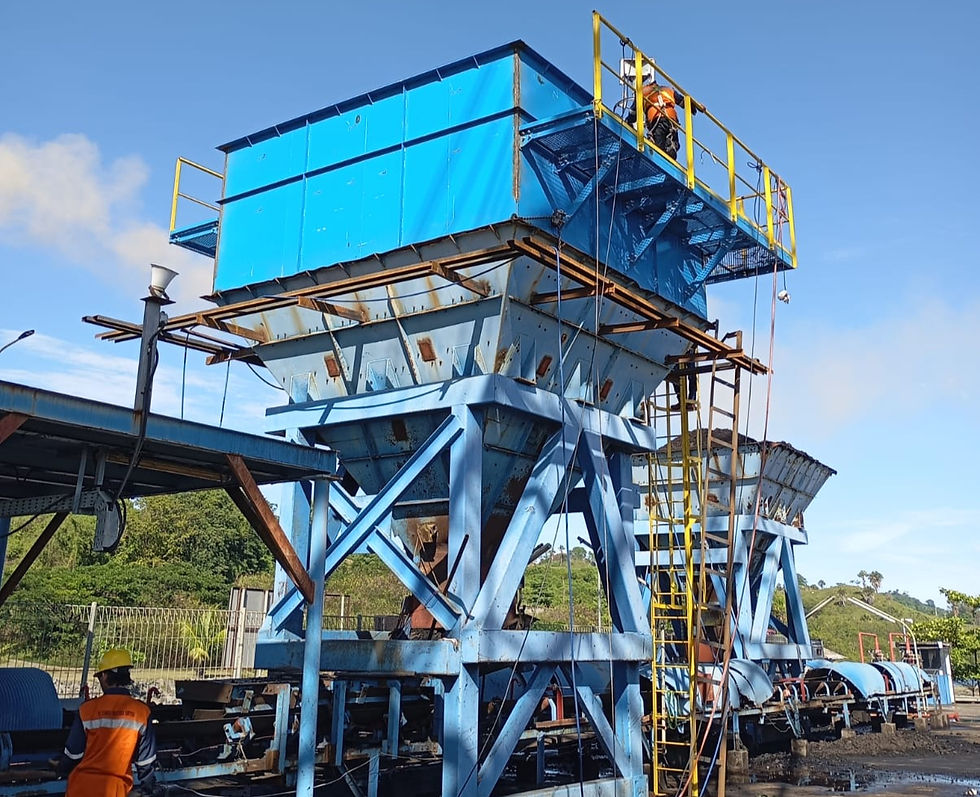
A properly installed conveyor skirt board at loading and transfer points keeps material on the belt throughout the transition. Combined with a well-designed hopper and a drip pan system beneath the return path, this setup significantly reduces spillage and floor contamination.
In palm oil processing, cleanliness standards are not simply a matter of comfort; they are part of compliance with food safety and environmental regulations.
Impact Loading Zones: Protecting the Belt at Critical Points
The point where material drops, particularly at the fresh fruit bunch loading chute, is the area with the highest risk of belt damage. Repeated impact loads over long operating periods will cause rapid belt wear if the right components are not in place to protect it.

The retractable impact idler is a solution purpose-built for this condition. Its retractable frame makes it possible to replace rollers in the impact zone without lifting or shifting the belt, significantly cutting repair time and minimizing production disruption.
In this area, good chute design also plays a role in guiding falling material toward the center of the belt in a controlled manner, reducing impact energy while minimizing lateral spillage.
Operational Safety: FRAS-Standard Rubber Caps
In an industrial environment that works with flammable organic material such as fiber and dried palm kernels, conveyor component safety standards cannot be compromised. Rubber caps on rollers made with Fire Retardant Anti Static (FRAS) material are an essential requirement for minimizing the risk of sparks from static electricity and potential fires around the conveyor area.
The FRAS standard ensures roller components do not become an ignition source, while also helping palm oil mills meet increasingly strict operational safety requirements and QHSE audits from international buyers.
Need a Trusted Conveyor Component Supplier for Your Palm Oil Mill?
Designing the right belt conveyor system for a palm oil mill takes more than standard components. It requires deep technical expertise, seasoned field experience, and the ability to deliver custom solutions tailored to each mill's specific needs.
PT Vortex Conveyor International has been a trusted partner to the manufacturing and mining industries for more than two decades, supplying roller conveyors, conveyor components, and high-quality bulk material handling solutions. Certified under ISO 9001:2015, TKDN, and SBUJK, PT Vortex supports the full conveyor system lifecycle, from needs assessment and custom manufacturing to installation, repair, and ongoing maintenance.
Whether you need mining conveyor rollers, palm oil mill conveyor components, or a custom bulk material handling solution, our engineering team is ready to provide technical recommendations tailored to your needs.
Contact our sales team today for a technical discussion and the best offer.
Website: www.vortex.co.id
Follow us on social media for the latest product updates and solutions from PT Vortex Conveyor International.
Discuss your palm oil mill conveyor system needs directly with our experienced engineering team.

Cara Merancang Belt Conveyor untuk Pabrik Kelapa Sawit Modern
Setiap ton Tandan Buah Segar yang terlambat diproses adalah kerugian nyata. Di pabrik kelapa sawit, kecepatan dan keandalan sistem penanganan material bukan sekadar soal efisiensi operasional, melainkan faktor penentu kualitas minyak sawit yang dihasilkan. Satu titik kegagalan pada jalur conveyor bisa menghentikan seluruh lini produksi dalam hitungan menit.
Itulah mengapa perancangan sistem belt conveyor untuk pabrik kelapa sawit tidak boleh dilakukan secara generik. Lingkungan Pabrik Kelapa Sawit memiliki karakteristik unik: material basah dan berminyak, beban impact tinggi di titik loading, kemiringan angkut yang variatif, hingga risiko korosi akibat paparan uap dan cairan palm oil. Lalu apa rekomendasi Conveyor untuk industri kelapa sawit ?, Artikel ini akan membahas pendekatan teknis yang tepat untuk merancang conveyor system yang benar-benar sesuai dengan kebutuhan industri kelapa sawit.
Memahami Peta Alur Material di Pabrik Kelapa Sawit
Sebelum menentukan spesifikasi teknis, seorang engineer perlu memetakan seluruh titik konveying dalam proses produksi pabrik kelapa sawit. Secara umum, alur material bergerak melalui beberapa tahap utama:
Conveyor penerimaan Tandan Buah Segar dari loading ramp menuju fruit bunch conveyor
Transfer material dari sterilizer menuju thresher melalui thresher conveyor
Pengangkutan empty bunch (janjang kosong) dan fiber sebagai produk samping
Conveyor kernel untuk pengangkutan inti sawit menuju storage atau kernel plant
Setiap titik memiliki persyaratan teknis yang berbeda, mulai dari kapasitas throughput, sudut kemiringan, hingga jenis material yang ditangani. Pemahaman menyeluruh atas peta ini adalah fondasi dari perancangan bulk material handling yang efektif.

Karakteristik Material yang Menentukan Desain
Material yang ditangani di pabrik kelapa sawit memiliki sifat yang kompleks dan menuntut pemilihan komponen conveyor yang cermat. tandan buah segar memiliki bobot besar, permukaan berduri, dan mengandung minyak serta air yang signifikan. Karakteristik ini berdampak langsung pada desain conveyor:
Densitas material yang tinggi menuntut perhitungan belt width dan belt speed yang tepat untuk memenuhi kapasitas throughput target.
Kandungan minyak dan kelembapan tinggi menyebabkan material bersifat lengket, sehingga build-up pada return idler menjadi tantangan utama.
Paparan cairan korosif dan uap panas memperpendek umur komponen berbahan baja jika tidak dipilih dengan tepat.
Beban impak tinggi di titik loading fruit bunch memerlukan perlindungan khusus pada frame dan roller di zona tersebut.
Mengabaikan salah satu dari faktor ini pada tahap perancangan akan berujung pada downtime berulang dan biaya perawatan yang membengkak.
Pemilihan Idler: HDPE vs Steel untuk Lingkungan PABRIK KELAPA SAWIT
Pemilihan jenis idler adalah salah satu keputusan teknis paling kritis dalam perancangan conveyor untuk pabrik kelapa sawit. Terdapat dua pilihan utama yang sering dipertimbangkan, yaitu Steel Carry Roller dan HDPE Cary Roller, masing-masing dengan keunggulan berbeda.
Steel Carry Roller
Unggul dalam ketahanan abrasi dan cocok untuk jalur conveyor dengan beban berat seperti fruit bunch conveyor dari sterilizer. Baja premium dengan lapisan pelindung memberikan stabilitas mekanis jangka panjang di kondisi beban impak tinggi. Namun di area dengan paparan minyak dan kelembapan ekstrem, pertimbangan terhadap korosi tetap harus menjadi perhatian utama.
HDPE Carry Roller
Menjadi solusi yang semakin banyak diadopsi pabrik kelapa sawit modern, terutama untuk jalur yang terpapar minyak, air, dan uap panas secara konstan. Bobot yang lebih ringan mempermudah proses instalasi dan penggantian, sementara sifat anti lengket pada permukaannya membantu mengurangi penumpukan sisa material. Umur pakai yang lebih panjang untuk material korosif menjadikannya pilihan ekonomis dalam jangka panjang.
Dalam banyak kasus, kombinasi keduanya adalah pendekatan paling optimal: Steel Carry Roller untuk titik-titik berbeban berat, dan HDPE Carry Roller untuk jalur dengan paparan korosif tinggi.
Mengatasi Material Lengket: Solusi Return Idler yang Tepat
Salah satu permasalahan paling sering dihadapi pabrik kelapa sawit adalah material lengket yang menempel pada sisi return belt. Sisa minyak, lumpur, dan fiber basah yang terakumulasi pada roller return akan menyebabkan misalignment, getaran berlebih, dan kerusakan belt secara prematur.
Dua komponen yang terbukti efektif untuk mengatasi kondisi ini adalah:
Rubber Disc Return Idler
Cakram karet yang tersusun pada roller return secara aktif membersihkan material lengket saat belt bergerak, mengurangi build-up, gesekan, dan kebisingan operasi.
Spiral Return Idler
Desain spiral baja pada roller menciptakan efek self-cleaning yang mendorong material keluar dari bidang kontak belt, sekaligus mendukung belt tracking agar tetap pada jalur yang benar.
Kedua komponen ini idealnya dikombinasikan dengan belt cleaner dan sistem drip pan yang tepat untuk menjaga kebersihan area operasi serta memenuhi standar kebersihan pabrik pengolahan pangan.

Kemiringan Conveyor dan Kapasitas Throughput
Conveyor di pabrik kelapa sawit tidak selalu beroperasi secara horizontal. Pengangkutan tandan buah segar dari loading ramp, perpindahan material menuju sterilizer, hingga jalur fruit bunch kerap melibatkan kemiringan yang signifikan. Kemiringan conveyor yang melebihi sudut surcharge material akan menyebabkan tumpahan dan ketidakstabilan beban.
Untuk tandan buah segar dengan permukaan tidak beraturan, sudut kemiringan maksimum yang disarankan umumnya berkisar antara 15 hingga 18 derajat. Di atas angka tersebut, diperlukan desain belt khusus atau mekanisme tambahan untuk mencegah material bergeser ke belakang.
Perhitungan belt width juga harus mempertimbangkan kapasitas throughput aktual, densitas material, dan belt speed yang direncanakan. Kesalahan dalam kalkulasi ini berdampak langsung pada kemampuan pabrik kelapa sawit memenuhi target produksi harian.
Selain itu, pemilihan Self Aligning Carry Idler pada jalur miring sangat direkomendasikan untuk mencegah misalignment belt yang rentan terjadi ketika beban tidak merata saat material bergerak naik.
Pertimbangan Pulley: Lagging untuk Kondisi Basah dan Berminyak
Drive Pulley yang beroperasi di lingkungan pabrik kelapa sawit menghadapi tantangan traksi yang serius akibat paparan minyak dan air. Permukaan pulley yang licin akan mengurangi friksi antara belt dan pulley, berpotensi menyebabkan belt slippage yang merusak sistem penggerak.
Penggunaan rubber lagging atau ceramic lagging pada Drive Pulley adalah solusi standar industri. Ceramic lagging memberikan cengkeraman lebih baik pada kondisi sangat basah, sementara rubber lagging menawarkan daya tahan lebih baik untuk kondisi abrasif ringan dengan kelembapan sedang.
Tidak kalah penting, Take-up Pulley harus dikalibrasi dengan tepat untuk memastikan tegangan belt selalu dalam rentang optimal, terutama pada jalur panjang yang rentan terhadap perubahan tension akibat variasi beban material.
Sistem Skirt Board, Hopper, dan Drip Pan: Faktor yang Sering Diabaikan
Kebocoran material di titik transfer adalah salah satu sumber kerugian tersembunyi yang paling sering diabaikan dalam desain sistem conveyor pabrik kelapa sawit. Spillage tidak hanya menyebabkan pemborosan material, tetapi juga menciptakan risiko keselamatan, mempercepat degradasi komponen, dan meningkatkan beban kerja tim maintenance.
Skirt Board Conveyor yang dipasang dengan tepat pada titik loading dan transfer point berfungsi menjaga material tetap berada di atas belt selama proses transisi. Dikombinasikan dengan Hopper berdesain tepat dan sistem Drip Pan di bawah jalur return, sistem ini secara signifikan menekan potensi spillage dan kontaminasi lantai pabrik.
Dalam industri pengolahan minyak sawit, standar kebersihan operasi bukan hanya soal kenyamanan, melainkan bagian dari kepatuhan terhadap regulasi keamanan pangan dan lingkungan.
Zona Impact Loading: Perlindungan Belt di Titik Kritis
Titik jatuh material, terutama di chute loading tandan buah segar, merupakan area dengan risiko kerusakan belt tertinggi. Beban impak yang terjadi secara berulang dalam durasi operasi panjang akan menyebabkan keausan belt yang sangat cepat jika tidak dilindungi dengan komponen yang tepat.

Retractable Impact Idler adalah solusi yang dirancang khusus untuk kondisi ini. Frame idler yang dapat ditarik memudahkan penggantian roller di zona impact tanpa perlu mengangkat atau menggeser belt, sehingga waktu perbaikan dapat dipangkas secara signifikan dan gangguan produksi dapat diminimalkan.
Pada area ini, desain Chute yang baik juga berperan dalam mengarahkan material jatuh ke tengah belt secara terkontrol, mengurangi energi impak sekaligus meminimalkan spillage lateral.
Keamanan Operasi: Rubber Cap Berstandar FRAS
Di lingkungan industri yang bekerja dengan material organik mudah terbakar seperti fiber dan kernel sawit kering, standar keselamatan komponen conveyor tidak boleh dikompromikan. Rubber cap pada roller yang mengandung material Fire Retardant Anti Static (FRAS) menjadi persyaratan penting untuk menekan risiko percikan api akibat listrik statis dan potensi kebakaran di area conveyor.
Standar FRAS memastikan bahwa komponen roller tidak menjadi sumber penyulut api, sekaligus membantu pabrik kelapa sawit memenuhi persyaratan keselamatan operasi dan audit QHSE yang semakin ketat dari buyer internasional.

Butuh Supplier Fabrikasi Conveyor Terpercaya untuk Pabrik Kelapa Sawit Anda?
Perancangan sistem belt conveyor yang tepat untuk pabrik kelapa sawit memerlukan lebih dari sekadar komponen standar. Dibutuhkan keahlian teknis yang mendalam, pengalaman lapangan yang matang, dan kemampuan menghadirkan solusi custom sesuai kebutuhan spesifik setiap pabrik.
PT Vortex Conveyor International telah menjadi mitra andal industri manufaktur dan pertambangan selama lebih dari dua dekade dalam menyediakan roller conveyor, komponen conveyor, dan solusi bulk material handling berkualitas tinggi. Bersertifikasi ISO 9001:2015, TKDN, dan SBUJK, PT Vortex melayani kebutuhan conveyor system mulai dari survey kebutuhan, manufacturing custom, instalasi, hingga repair dan maintenance.
Untuk kebutuhan roller conveyor tambang, komponen conveyor pabrik kelapa sawit, atau solusi custom handling material curah, tim engineering kami siap memberikan rekomendasi teknis yang tepat sasaran.
Hubungi tim sales kami sekarang untuk diskusi teknis dan penawaran terbaik.
Website: www.vortex.co.id
Ikuti sosial media kami untuk update produk dan solusi terbaru dari PT Vortex Conveyor International.
Konsultasikan kebutuhan conveyor system pabrik kelapa sawit Anda langsung dengan tim engineer berpengalaman kami.


Comments