
Self-Aligning Idler : Solutions for Conveyor Belt Tracking Problems
Behind the smooth operation of a bulk material handling line lies a classic problem that is often dismissed as minor but carries a heavy impact on operational efficiency, which is a belt running off its intended path. Known in the industry as a belt tracking problem, this is far from being a small technical nuisance.
Left unresolved, an off-center belt can lead to uneven wear, spilled bulk material, structural damage to the conveyor frame, and even sudden production stoppages that come with a real financial cost. For mining and manufacturing companies that depend on continuous production, understanding both the root cause of this issue and the right technical solution is a strategic necessity rather than just a routine maintenance item.

When the Belt Drifts, the Whole System Feels It
A belt tracking problem generally results from a combination of factors, including off-center material loading on the belt, imprecise conveyor structure during installation, and the gradual wear of the components that support the belt. Once the belt shifts away from its ideal position, the effects ripple across several operational areas.
Some of the most common consequences seen in the field include:
Uneven belt wear that significantly shortens the conveyor belt's service life
Spillage of bulk material along the conveyor line that risks contaminating the work area
Excessive friction between the belt edge and the conveyor frame, raising the risk of structural damage
Unscheduled downtime from repeated manual intervention needed to correct the belt's position
Potential safety risks for operators who have to make manual adjustments on a conveyor that is still running
This condition poses a real challenge for maintenance and engineering teams, particularly on conveyor systems with large hauling capacity and long operating hours, as commonly found in the mining and heavy manufacturing sectors.
How the Self-Aligning Idler Works ?
The self-aligning idler is the technical answer to this problem. Unlike a conventional idler with a fixed position, it is built with a pivoting frame mechanism that moves automatically to follow the position of the belt edge. Once the belt starts drifting from its ideal path, the guide roller on this idler detects contact with the belt edge, which triggers the pivoting frame to rotate and guide the belt back to center on its own, without requiring any manual intervention from the operator.
Two types of self-aligning idlers are commonly used depending on their function within the conveyor system: the self-aligning carry idler, installed on the top side to support the loaded belt, and the self-aligning return idler, installed on the underside to keep the empty belt in position as it travels back to the starting point. Together, these two ensure the belt stays on the correct path throughout the entire operating cycle, whether it is carrying material or returning empty.
Installation Points, Calibration, and Comparison with Conventional Systems
The effectiveness of a self-aligning idler depends heavily on how precisely it is installed. This component is typically placed in areas prone to misalignment, such as right after a material transfer point, along curved sections of the conveyor, and before the head and tail pulleys. Proper placement at these critical points helps prevent belt drift from accumulating before it turns into a bigger problem.
In terms of procedure, initial calibration is still required during installation to make sure the pivoting frame sits in a neutral position and responds to even the smallest belt shift. Once this initial calibration is done correctly, the system works autonomously to correct the belt's position without needing periodic readjustment.
Compared to conventional belt tracker solutions, which generally still rely on periodic manual adjustment by an operator, the self-aligning idler offers a far more efficient approach. This automated system reduces dependence on manual intervention, minimizes human error, and cuts down how often the maintenance team needs to visit the site for belt adjustment purposes.

Long Term Benefits for Operational Reliability
Applying self-aligning idlers to a conveyor system delivers positive results that build up over time. The conveyor belt's service life is extended since pressure and friction on the belt edge can be minimized. Material spillage drops significantly, the work area stays cleaner, and the risk of workplace accidents from manual adjustment is reduced. For the maintenance team, this translates into a more efficient use of time and resources, since routine belt position corrections are no longer needed.
As an important technical note, the rollers in an idler are maintenance free and are not designed to be disassembled or regreased, which means their reliability depends heavily on the quality of the material and manufacturing process from the very start. To further support that reliability, the rubber cap on the idler roller can be fitted with FRAS (Fire Retardant Anti Static) material, offering added protection against fire risk and static electricity buildup, an important consideration especially for operations in mining areas and high risk facilities.
Idler and Conveyor Component Solutions for Your Industry Needs
As a roller conveyor manufacturing supplier trusted across various industry sectors for more than two decades, PT Vortex Conveyor International understands that every bulk material handling challenge calls for a precise, well-measured solution. With extensive experience manufacturing conveyor components, from mining roller conveyors and idlers to pulleys and custom conveyor components, Vortex serves as a strategic partner for plant owners, engineering teams, and procurement professionals seeking a reliable and efficient bulk material handling solution.
Vortex stands as a full service provider, covering everything from survey and manufacturing to installation, repair, and maintenance. As part of that commitment, PT Vortex Conveyor International will also take part in Mining Indonesia 2026 at JIExpo Kemayoran, Jakarta, to showcase directly the range of bulk material handling solutions that have supported various industry needs across Indonesia.
Do not let a belt tracking problem continue to erode your company's efficiency and drive up operational costs. Contact the PT Vortex Conveyor International sales team for a consultation on conveyor component needs and bulk material handling solutions suited to your operational scale, visit www.vortex.co.id for more complete product information, and follow Vortex's official social media channels for the latest updates on conveyor technology and our upcoming appearances at industry exhibitions.

Apa Itu Self-Aligning Idler dan Bagaimana Cara Kerjanya
Di balik kelancaran sebuah lini produksi bulk material system, ada satu masalah klasik yang sering dianggap sepele namun berdampak besar pada efisiensi operasional, yaitu belt yang berjalan miring dari jalurnya. Kondisi yang di kalangan industri dikenal sebagai belt tracking problem ini bukan sekadar gangguan teknis kecil.
Jika dibiarkan, belt yang tidak center dapat memicu keausan tidak merata, tumpahan material curah, kerusakan struktural pada frame conveyor, hingga penghentian produksi mendadak yang merugikan secara finansial. Bagi perusahaan tambang dan manufaktur yang mengandalkan kontinuitas produksi sepanjang waktu, memahami akar masalah ini sekaligus solusi teknis yang tepat menjadi kebutuhan strategis, bukan sekadar agenda maintenance rutin.
Ketika Belt Conveyor Melenceng, Seluruh Sistem Ikut Terganggu
Belt tracking problem umumnya muncul akibat kombinasi beberapa faktor, mulai dari loading material yang tidak center di atas belt, struktur conveyor yang kurang presisi saat instalasi, hingga keausan komponen penyangga belt yang terjadi secara bertahap. Ketika belt sudah bergeser dari posisi idealnya, dampaknya akan menjalar ke berbagai aspek operasional.
Beberapa konsekuensi yang paling sering dijumpai di lapangan antara lain:
Keausan belt yang tidak merata sehingga memperpendek usia pakai belt conveyor secara signifikan
Spillage atau tumpahan material curah di sepanjang jalur conveyor yang berpotensi mencemari area kerja
Gesekan berlebih antara tepi belt dengan frame conveyor yang meningkatkan risiko kerusakan struktur
Downtime tidak terjadwal akibat intervensi manual yang berulang untuk mengoreksi posisi belt
Potensi risiko keselamatan kerja bagi operator yang harus melakukan penyesuaian secara manual di area conveyor yang aktif beroperasi
Kondisi ini menjadi tantangan tersendiri bagi tim maintenance dan engineering, khususnya pada sistem conveyor dengan kapasitas angkut besar dan jam operasional tinggi seperti yang umum dijumpai di sektor pertambangan dan manufaktur berat.

Bagaimana Cara Kerja Self-Aligning Idler ?
Self-aligning idler hadir sebagai jawaban teknis atas persoalan tersebut. Berbeda dengan idler konvensional yang posisinya statis, self-aligning idler dirancang dengan mekanisme pivoting frame yang mampu bergerak secara otomatis mengikuti posisi tepi belt. Ketika belt mulai bergeser dari jalur idealnya, guide roller pada idler ini akan mendeteksi kontak dengan tepi belt, kemudian memicu pivoting frame untuk berputar dan mengarahkan kembali belt menuju posisi center secara mandiri, tanpa memerlukan intervensi manual dari operator.
Terdapat dua jenis self-aligning idler yang umum digunakan sesuai fungsinya dalam sistem conveyor, yaitu self-aligning carry idler yang dipasang pada sisi atas untuk menopang belt bermuatan, dan self-aligning return idler yang dipasang pada sisi bawah untuk menjaga posisi belt kosong saat kembali ke titik awal. Kombinasi keduanya memastikan belt tetap berada pada jalur yang tepat di sepanjang siklus operasional conveyor, baik saat membawa material maupun saat kembali kosong.
Titik Instalasi, Kalibrasi, dan Perbandingan dengan Sistem Conveyor Konvensional
Efektivitas self-aligning idler sangat bergantung pada ketepatan titik instalasinya. Umumnya, komponen ini ditempatkan pada area yang rawan terjadi misalignment, seperti setelah titik transfer material, pada bagian tikungan atau curve conveyor, serta sebelum head pulley dan tail pulley. Penempatan yang tepat pada titik-titik kritis ini membantu mencegah akumulasi pergeseran belt sebelum berkembang menjadi masalah yang lebih besar.
Dari sisi prosedur, kalibrasi awal tetap diperlukan saat instalasi untuk memastikan pivoting frame berada pada posisi netral dan responsif terhadap pergeseran belt sekecil apapun. Setelah kalibrasi awal dilakukan dengan benar, sistem ini bekerja secara otonom mengoreksi posisi belt tanpa perlu penyesuaian ulang secara berkala.
Jika dibandingkan dengan solusi belt tracker konvensional yang umumnya masih mengandalkan penyesuaian manual berkala oleh operator, self-aligning idler menawarkan pendekatan yang jauh lebih efisien. Sistem otomatis ini mengurangi ketergantungan pada intervensi manual, meminimalkan human error, sekaligus menekan frekuensi kunjungan tim maintenance ke lapangan untuk keperluan penyesuaian belt.
Manfaat Jangka Panjang Self Aligning Idler bagi Reliabilitas Operasional
Penerapan self-aligning idler pada sistem conveyor memberikan dampak positif yang terasa dalam jangka panjang. Umur pakai belt conveyor menjadi lebih panjang karena tekanan dan gesekan pada tepi belt dapat diminimalkan. Spillage material berkurang signifikan, area kerja menjadi lebih bersih, dan risiko kecelakaan kerja akibat penyesuaian manual pun dapat ditekan. Bagi tim maintenance, ini berarti alokasi waktu dan sumber daya yang lebih efisien karena tidak perlu lagi melakukan koreksi posisi belt secara rutin.
Sebagai catatan teknis penting, roller pada idler bersifat free maintenance dan tidak dirancang untuk dibongkar pasang atau di-regreasing ulang, sehingga keandalannya sangat bergantung pada kualitas material dan proses manufaktur sejak awal. Untuk mendukung keandalan tersebut, rubber cap pada roller idler dapat dilengkapi dengan material FRAS (Fire Retardant Anti Static) yang memberikan perlindungan tambahan terhadap risiko kebakaran dan penumpukan listrik statis, sebuah pertimbangan penting khususnya bagi operasional di area pertambangan dan fasilitas dengan tingkat risiko tinggi.
Vortex Conveyor International : Solusi Idler dan Komponen Conveyor untuk Kebutuhan Industri Anda
Sebagai supplier pabrik roller conveyor yang telah dipercaya berbagai sektor industri selama lebih dari dua dekade, PT Vortex Conveyor International memahami bahwa setiap tantangan bulk material handling memerlukan solusi yang presisi dan terukur. Dengan pengalaman panjang dalam manufaktur komponen conveyor, mulai dari roller conveyor tambang, idler, pulley, hingga custom conveyor component, Vortex hadir sebagai mitra strategis bagi owner pabrik, tim engineering, dan procurement yang mencari solusi bulk material handling yang andal dan efisien.
Vortex berdiri sebagai salah satu penyedia dengan total service mulai dari survey, manufacturing, instalasi, hingga repair and maintenance. Sebagai bagian dari komitmen tersebut, PT Vortex Conveyor International juga akan hadir pada ajang Mining Indonesia 2026 di JIExpo Kemayoran, Jakarta, untuk memperkenalkan langsung ragam solusi sistem bulk material handling yang telah mendukung berbagai kebutuhan industri di Indonesia.
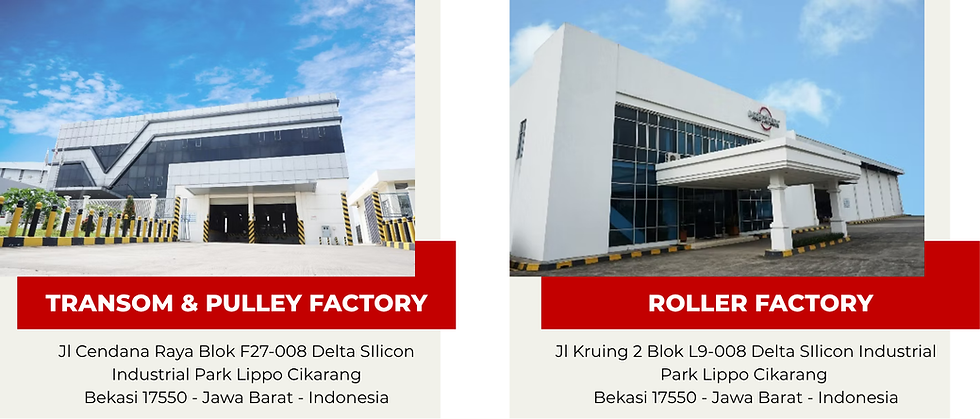
Jangan biarkan belt tracking problem terus menggerus efisiensi dan menambah beban biaya operasional perusahaan Anda. Hubungi tim sales PT Vortex Conveyor International untuk konsultasi kebutuhan komponen conveyor dan solusi bulk material handling yang sesuai dengan skala operasional Anda, kunjungi www.vortex.co.id untuk informasi produk lebih lengkap, serta ikuti sosial media resmi Vortex untuk update terbaru seputar teknologi conveyor dan jadwal kehadiran kami di berbagai pameran industri.


Comments