
What Are the Main Components of Bulk Material Handling Systems?
A single spill at a transfer point, a clogged hopper or chute, or a belt drifting off its path is enough to halt an entire production line. In operations that move large volumes of material every hour, a small fault in one component can quickly spread through the whole system. That is why a bulk material handling system should be understood as one connected chain, not a collection of standalone equipment.
What Is a Bulk Material Handling System and What Does It Cover?
A bulk material handling system is a set of engineered equipment designed to move, store, and distribute large volumes of bulk material efficiently and continuously. It serves as the operational backbone of industries such as mining, cement, fertilizer, and palm oil, where smooth material flow directly affects productivity and operating costs. The system works through four sequential stages.
Loading: material enters the system, for example from a mining area or a production unit.
Transporting: material moves between points, usually by conveyor.
Storing: material is held temporarily in hoppers or storage areas.
Discharging: material is released to the next process or to the end user.
A system performs only as well as its weakest point, so planning should consider all four stages together.

Main Components of the Material Handling System
An effective bulk material handling system consists of several key components that work together.
Conveyor System
The conveyor belt is the main component that carries bulk material through the production facility. Depending on the material characteristics and application needs, a conveyor system may use a belt conveyor, screw conveyor, chain conveyor, or bucket elevator. Conveyor rollers support the belt and keep material transport stable.
Hopper and Chute
A hopper serves as temporary storage that holds material and directs it into the system, while a chute is a gravity-fed path that guides material from one point to another, typically connecting conveyors, hoppers, or silos. A well-designed chute is essential to minimize blockages and dust at transfer points.

Belt Scale
A belt scale continuously weighs material as it moves on the conveyor, providing accurate data for inventory control, billing, and process monitoring.
Other Supporting Components
The system also includes skirtboards to prevent spillage in the loading zone, belt cleaners to keep the belt clean, and pulleys to drive and guide the belt. Custom conveyor components can also be added to meet the needs of a specific application.
Industries That Rely on Bulk Material Handling Systems
Bulk material handling systems are needed in industries that move large quantities of material continuously. In mining and quarrying, they transport coal, minerals, and rock. The cement industry uses them to move raw materials and finished products between processes. Power plants depend on them for fuel supply, while palm oil mills and fertilizer producers use them to handle their output. Material characteristics differ from one industry to another, from abrasiveness to moisture content, so component specifications need to be adjusted accordingly.
Design Principles for an Efficient, Low-Spillage Bulk Material Handling System
An efficient system starts with a clear understanding of the material. Particle size, moisture, abrasiveness, and stickiness all influence the choice of belt, idlers, and pulleys, as well as the design of chutes and hoppers. Mistakes at this stage usually show up only after the system is running, when they cost far more to fix.

Material spillage most often occurs at transfer points and loading areas. A well-designed chute, suitable skirtboards, and idlers that keep the belt stable all help reduce the risk. Belt misalignment should also be anticipated, for example with a Self Aligning Carry Idler that helps keep the belt centered. Maintenance accessibility is just as important. A Retractable Impact Idler, for instance, makes it easier to replace rollers in the impact loading area without lifting the entire belt.
Engineering Consultation and End-to-End Solutions from Vortex Conveyor
A system that fits your needs does not come from a component catalog. It comes from engineering consultation that takes into account the material, capacity, layout, and site conditions. This stage determines whether the selected components will work together as one system.
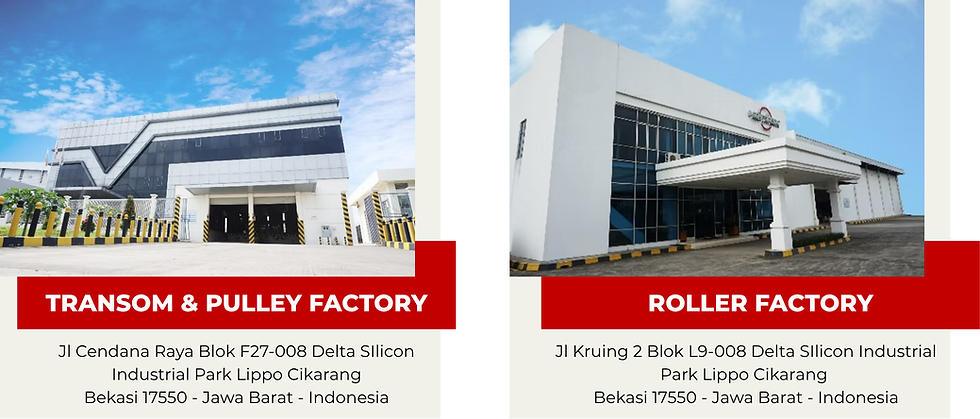
PT Vortex Conveyor International provides consultation, engineering, drawing and design, fabrication, installation, and maintenance services. Its products include conveyor idlers, pulleys, conveyor frames, and supporting components such as chutes, hoppers, skirtboards, belt scales, and belt cleaners. With more than 25 years of experience, ISO 9001:2015 certification, and two factories in the Cikarang industrial area in Bekasi, the company can produce custom components to match project requirements.
Planning or evaluating a bulk material handling system at your facility? Contact the PT Vortex Conveyor International sales team to discuss your conveyor and engineering needs, or visit our website to explore the available solutions.

Apa Saja Komponen Utama Sistem Bulk Material Handling?
Satu titik tumpahan di transfer point, satu hopper & chute yang tersumbat, atau satu belt yang bergeser dari jalurnya sudah cukup untuk menghentikan seluruh lini produksi. Pada operasi yang memindahkan material dalam volume besar setiap jam, gangguan kecil di satu komponen cepat merambat ke sistem secara keseluruhan. Karena itu, bulk material handling system perlu dipahami sebagai satu rangkaian yang saling terhubung, bukan kumpulan peralatan yang berdiri sendiri.
Bulk Material Handling System dan Ruang Lingkupnya
Bulk material handling system, atau sistem penanganan material curah, adalah rangkaian peralatan engineering yang dirancang untuk memindahkan, menyimpan, dan mendistribusikan material curah dalam volume besar secara efisien dan kontinu. Sistem ini menjadi tulang punggung operasional di industri seperti pertambangan, semen, pupuk, dan kelapa sawit, di mana kelancaran aliran material langsung memengaruhi produktivitas dan biaya operasional. Sistem ini bekerja melalui empat tahap yang berurutan.
Loading: material dimasukkan ke dalam sistem, misalnya dari area penambangan atau unit produksi.
Transporting: material dipindahkan antar titik, umumnya menggunakan conveyor.
Storing: material ditampung sementara pada hopper atau area penyimpanan.
Discharging: material dikeluarkan ke proses berikutnya atau ke unit pengguna.
Kinerja sistem ditentukan oleh titik terlemahnya. Karena itu, perencanaan perlu melihat keempat tahap tersebut secara utuh.
Komponen Utama Pendukung Sistem
Sebuah bulk material handling system yang efektif terdiri dari beberapa komponen kunci yang bekerja secara terintegrasi:
Conveyor System
Conveyor belt merupakan komponen utama yang bertugas mengangkut material curah melalui fasilitas produksi. Conveyor system dapat berupa belt conveyor, screw conveyor, chain conveyor, atau bucket elevator, tergantung pada karakteristik material dan kebutuhan aplikasi. Roller Conveyor sebagai komponen pendukung conveyor berfungsi menyangga belt dan menjaga stabilitas pengangkutan material.
Hopper dan Chute
Hopper berfungsi sebagai wadah penyimpanan sementara yang menampung dan mengarahkan material ke dalam sistem, sementara chute merupakan jalur gravitasi yang memandu aliran material dari satu titik ke titik lainnya, biasanya menghubungkan conveyor, hopper, atau silo. Desain chute yang tepat sangat penting untuk meminimalkan sumbatan dan debu pada transfer point.
Belt Scale
Belt scale digunakan untuk menimbang material yang bergerak di atas conveyor secara kontinu, memberikan data akurat untuk inventory control, billing, dan process monitoring.
Komponen Pendukung Lainnya
Sistem juga mencakup skirtboard untuk mencegah spillage di loading zone, belt cleaner untuk menjaga kebersihan belt, pulley untuk menggerakkan dan mengarahkan belt, serta berbagai custom conveyor component yang disesuaikan dengan kebutuhan spesifik aplikasi.

Industri yang Mengandalkan Bulk Material Handling System
Sistem penanganan material curah dibutuhkan di industri yang memindahkan material dalam jumlah besar secara kontinu. Di pertambangan dan quarry, sistem ini mengangkut batu bara, mineral, dan batuan. Industri semen memindahkan bahan baku dan produk antar proses. Pembangkit listrik membutuhkannya untuk suplai bahan bakar, sedangkan pabrik kelapa sawit dan industri pupuk memakainya untuk material hasil produksi. Karakter material di tiap industri berbeda, mulai dari tingkat abrasivitas hingga kelembapan, sehingga spesifikasi komponen pun perlu disesuaikan.
Prinsip Desain Bulk Material Handling System yang Efisien dan Minim Spillage
Sistem yang efisien dimulai dari pemahaman terhadap material. Ukuran butir, kelembapan, abrasivitas, dan kecenderungan material menempel akan memengaruhi pemilihan belt, idler, pulley, serta desain chute dan hopper. Kesalahan pada tahap ini biasanya baru terlihat setelah sistem beroperasi, ketika biayanya jauh lebih besar.
Tumpahan material atau spillage umumnya muncul di titik transfer dan area loading. Desain chute yang tepat, skirtboard yang sesuai, serta idler yang menjaga belt tetap stabil membantu menekan risiko tersebut. Belt misalignment juga perlu diantisipasi, misalnya dengan Self Aligning Carry Idler yang membantu menjaga posisi belt tetap di tengah. Aksesibilitas maintenance sama pentingnya. Retractable Impact Idler, misalnya, memudahkan penggantian roller di area impact loading tanpa mengangkat seluruh belt.
Engineering Consultation dan Solusi End-to-End dari Vortex Conveyor
Sistem yang sesuai kebutuhan tidak lahir dari katalog komponen, melainkan dari konsultasi engineering yang memahami material, kapasitas, layout, dan kondisi lapangan. Tahap ini menentukan apakah komponen yang dipilih akan bekerja sebagai satu sistem.
PT Vortex Conveyor International menyediakan layanan consultation, engineering, drawing and design, fabrication, installation, dan maintenance, dengan produk mencakup conveyor idler, pulley, conveyor frame, serta komponen pendukung seperti chute, hopper, skirtboard, belt scale, dan belt cleaner. Dengan pengalaman lebih dari 25 tahun, sertifikasi ISO 9001:2015, dan dua pabrik di kawasan industri Cikarang, Bekasi, perusahaan mampu mengerjakan komponen custom sesuai kebutuhan proyek.
Menyusun atau mengevaluasi bulk material handling system di fasilitas Anda? Hubungi tim sales PT Vortex Conveyor International untuk mendiskusikan kebutuhan conveyor dan engineering Anda, atau kunjungi website kami untuk melihat solusi yang tersedia.


Comments