
Wing Pulley vs Standard Pulley: Solutions for Sticky Materials
Wet coal and clay share one habit: they stick. When sticky material slips past the discharge point and travels to the return side, the pulley is one of the first places where it builds up. A hardened layer of material on the pulley surface does more than make the surrounding area dirty. It can also interfere with how the belt runs. In conditions like these, choosing the right type of pulley becomes an important decision.
Differences Between Wing Pulley and Standard Pulley in Conveyors
A wing pulley is better suited to sticky material because of its self-cleaning design, while a standard pulley with a closed drum surface is more prone to build-up. The difference lies in the shape of the pulley surface and in how material releases from it as the pulley turns.

Material Build-Up on Standard Pulleys
On a standard pulley, sticky material can cling to the smooth drum surface and pile up. Over time, the layer grows thicker and uneven. This affects the contact between the belt and the pulley, and it can lead to unstable belt tracking and faster belt wear.
As a result, maintenance teams often have to stop the conveyor and clean the pulley by hand. Every cleaning means downtime, and with material that sticks quickly, the cycle can repeat again and again.
The Self-Cleaning Design of a Wing Pulley
A wing pulley has wing-shaped bars that form an open structure around the shaft. As the pulley rotates, sticky material tends to loosen and fall through the open gaps instead of building up on the surface the way it does on a closed drum. This principle is why it is known as a self-cleaning pulley.
Wing pulleys are commonly used in positions such as the tail pulley, where material that escapes the discharge point can get trapped between the belt and the pulley. They belong to a wider range of conveyor pulleys that also includes the head pulley, bend pulley, take-up pulley, drive pulley, and snub pulley.
Comparing Standard Pulleys and Wing Pulleys
In short, the two types differ in several ways.
Build-up risk: standard pulleys are more vulnerable with sticky material, while wing pulleys are designed to release it.
Cleaning frequency: build-up on a standard pulley may call for more frequent cleaning.
Material suitability: wing pulleys are relevant for clay, wet coal, and similar materials that stick easily.
Surface options: standard pulleys come in a plain drum without lagging, or with lagging such as ceramic, chevron, or diamond.
The final choice should still depend on the pulley position, the material characteristics, and the operating conditions. A wing pulley does not replace every standard pulley. It is the right solution for build-up problems.

Pulley Applications for Sticky Material in Mining and Cement
In mining, wet coal and clay-mixed material are common examples, especially in humid conditions. The cement industry also handles materials that can pile up on conveyor components. In applications like these, a pulley for sticky material is best seen as part of material control along the whole conveyor line, not as a standalone component.
A more complete approach combines several components. Belt cleaners help reduce the material carried to the return side, while the Rubber Disc Return Idler and Spiral Return Idler are designed to help release material stuck to the belt. Together, they tackle the problem from several points at once.
Get Pulley Selection Advice from PT Vortex Conveyor International
Sticky material calls for a pulley designed to release it. A wing pulley meets that need, especially when paired with a suitable belt cleaner and return idlers, while a standard pulley remains a good choice where build-up is not a significant risk.
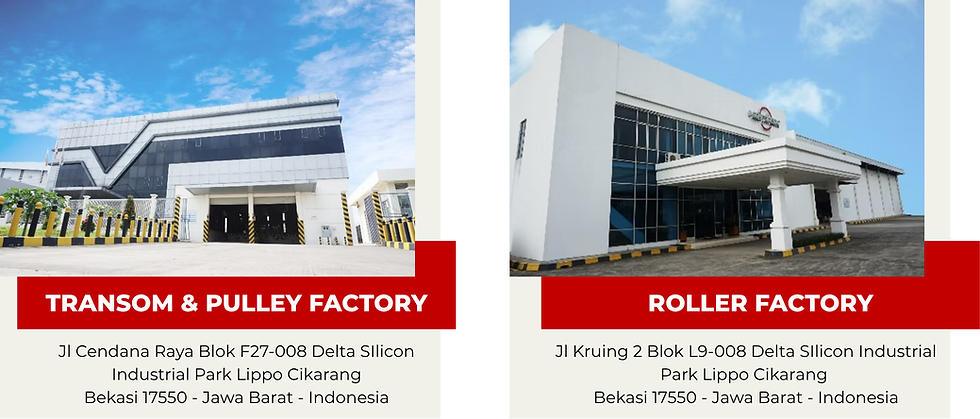
PT Vortex Conveyor International manufactures a wide range of conveyor pulleys, including wing pulleys, backed by professional engineering support and custom engineering capability at its manufacturing facility in Cikarang, Bekasi. Contact our sales team to discuss your material characteristics and pulley requirements.

Mengapa Wing Pulley Cocok untuk Material Conveyor yang Lengket?
Batu bara basah dan tanah liat punya kebiasaan yang sama, yaitu menempel. Ketika material lengket lolos dari titik discharge dan terbawa ke sisi return, pulley menjadi salah satu titik pertama yang mengalami penumpukan. Lapisan material yang mengeras di permukaan pulley tidak hanya mengotori area sekitar, tetapi juga dapat mengganggu kerja belt. Untuk kondisi seperti ini, pemilihan jenis pulley menjadi keputusan yang penting.
Perbedaan Wing Pulley dan Standard Pulley pada Conveyor
Wing pulley lebih sesuai untuk material lengket karena desainnya bersifat self-cleaning, sedangkan standard pulley dengan permukaan drum yang tertutup lebih rentan mengalami build-up. Perbedaan ini terletak pada bentuk permukaan pulley dan cara material terlepas darinya saat pulley berputar.
Masalah Build-up Material pada Standard Pulley
Pada standard pulley, material lengket dapat menempel dan menumpuk pada permukaan drum yang rata. Seiring waktu, lapisan tersebut menebal dan tidak merata. Kondisi ini memengaruhi kontak antara belt dan pulley, dan berpotensi memicu belt tracking yang tidak stabil serta keausan yang lebih cepat pada belt.
Akibatnya, tim maintenance sering harus menghentikan conveyor untuk membersihkan pulley secara manual. Setiap pembersihan berarti downtime, dan pada material yang cepat menempel, siklusnya bisa berulang.

Desain Self Cleaning Pulley pada Wing Pulley
Wing pulley memiliki desain sayap atau wing yang membentuk struktur terbuka di sekeliling poros. Material yang menempel cenderung terlepas dan jatuh melalui ruang terbuka tersebut saat pulley berputar, sehingga tidak menumpuk pada permukaan seperti pada drum tertutup. Prinsip inilah yang membuatnya dikenal sebagai self cleaning pulley.
Wing pulley umumnya diaplikasikan pada posisi seperti tail pulley, tempat material yang lolos dari discharge berisiko terjebak di antara belt dan pulley. Pulley ini menjadi bagian dari rangkaian conveyor pulley yang juga mencakup head pulley, bend pulley, take-up pulley, drive pulley, dan snub pulley.
Perbandingan Wing Pulley dan Pulley Standar
Secara ringkas, perbedaan kedua tipe dapat dilihat dari beberapa aspek.
Risiko build-up: pulley standar lebih rentan pada material lengket, sedangkan wing pulley dirancang untuk melepaskan material.
Frekuensi pembersihan: build-up pada pulley standar dapat menuntut pembersihan lebih sering.
Kesesuaian material: wing pulley relevan untuk tanah liat, batu bara basah, dan material sejenis yang mudah menempel.
Opsi permukaan: pulley standar tersedia dalam varian flat atau drum tanpa lagging, serta dengan lagging seperti ceramic, chevron, atau diamond.
Pemilihan tetap harus mengikuti posisi pulley, karakter material, dan kondisi operasi. Wing pulley bukan pengganti seluruh pulley standar, melainkan solusi yang tepat untuk problem build-up.
Aplikasi Pulley untuk Material Lengket pada Tambang dan Semen
Di pertambangan, batu bara basah dan material bercampur tanah liat menjadi contoh kasus yang lazim, terutama pada kondisi lembap. Industri semen juga menangani material yang dapat menumpuk pada komponen conveyor. Pada aplikasi seperti ini, pulley untuk material lengket sebaiknya dipandang sebagai bagian dari pengendalian material di seluruh jalur conveyor, bukan komponen yang berdiri sendiri.
Pendekatan yang lebih lengkap menggabungkan beberapa komponen. Belt cleaner membantu mengurangi material yang terbawa ke sisi return, sedangkan Rubber Disc Return Idler dan Spiral Return Idler dirancang membantu melepaskan material yang menempel pada belt. Kombinasi ini menekan sumber masalah di beberapa titik sekaligus.
Konsultasi Pemilihan Pulley Bersama PT Vortex Conveyor International
Material lengket menuntut pulley yang dirancang untuk melepaskan material. Wing pulley menjawab kebutuhan tersebut, terutama bila dipadukan dengan belt cleaner dan return idler yang sesuai, sementara pulley standar tetap relevan untuk kondisi tanpa risiko build-up yang signifikan.
PT Vortex Conveyor International memproduksi berbagai jenis conveyor pulley, termasuk wing pulley, dengan dukungan engineering profesional dan kemampuan custom engineering dari fasilitas manufaktur di Cikarang, Bekasi. Hubungi tim sales kami untuk mendiskusikan karakter material dan kebutuhan pulley pada conveyor Anda.


Comments