
Functions of Pulleys in Belt Conveyor Systems and Their Types

When a conveyor belt starts to slip or drift off its path, the belt itself is often not the cause. More often, the problem lies with the pulleys that drive and guide it. These drum-shaped components look simple, but they determine whether motor power actually reaches the belt and whether the belt runs straight along its path. For engineering managers and project engineers, understanding the function of conveyor pulleys is the foundation for reducing downtime that could have been avoided.

Conveyor Belt Pulleys and Their Position in the System
A conveyor belt pulley is a rotating drum installed at specific points along the conveyor to drive, hold, and redirect the belt. Every transfer of power and every change in belt direction happens through this component.
Pulleys are often confused with idlers, but the two are different. An idler is a single assembly of rollers and a frame that supports the belt and its load along the conveyor path, whereas a pulley works at the drive, turnaround, and bend points of the belt.
The Role of Pulleys in Driving and Guiding the Belt
Pulleys have two main functions: transmitting driving power to the belt and guiding the belt along its path. A pulley connected to the motor and gearbox is called a drive pulley. Power is transmitted through friction between the pulley surface and the belt, so the quality of contact between the two largely determines conveyor performance.
A pulley that is not connected to the drive system is called a non-drive pulley. It turns with the movement of the belt and is used to redirect the belt, guide it, or adjust its tension.
Types of Conveyor Pulleys and Their Functions
The type of pulley is determined by its position and role in the system. The following are the pulley types most commonly used in conveyor belt systems:
Head pulley: located at the discharge end, where the belt turns back on itself. In many configurations, the head pulley also serves as the drive pulley.
Drive pulley: receives power from the motor to move the belt.
Tail pulley: located at the loading end, where it acts as the turnaround point on the starting side of the belt.
Bend pulley: changes the direction of the belt at a specific angle along its path.
Snub pulley: installed near the drive pulley to increase the belt wrap angle, which improves traction.
Take-up pulley: part of the take-up system that keeps belt tension at the right level.
Pulley Materials and Lagging for Better Traction
Traction between the pulley and the belt depends heavily on the condition of the pulley surface. For this reason, pulleys can be fitted with lagging, a layer applied to the shell surface that increases friction against the belt. Lagging matters most on the drive pulley, which carries the power transmission load continuously.
The shell material and lagging type should be matched to the conditions of the application. The most common options are rubber lagging and ceramic lagging.

The Impact of Worn Pulleys and How to Choose the Right Pulley
Worn pulleys reduce traction and efficiency
Worn lagging on a drive pulley reduces traction. The belt begins to slip, motor power is not transmitted efficiently, and belt wear increases as well. A pulley surface that is uneven or covered in built-up material can also push the belt off its path. These symptoms are often noticed only after they begin to disrupt operations, or when it rains.
Selection criteria and regular inspection
Pulley selection should be based on conveyor capacity, belt width and tension, wrap angle, and the characteristics of the material being carried. This data determines the pulley dimensions, the shell and shaft construction, and the lagging requirements. A selection mistake made early on is difficult to correct without stopping operations.
Once the pulley is installed, regular inspection is still necessary. Check the condition of the lagging, surface wear, material buildup, bearing condition, and pulley alignment with the belt, so that any decline in performance can be addressed before it turns into damage.
The Right Pulley as the Foundation of Conveyor Performance
Pulleys determine how effectively driving power is transmitted to the belt and how steadily the belt runs along its path. Understanding the types of pulleys, the role of lagging, and the signs of wear helps engineering teams make sound decisions, whether they are designing a new conveyor or evaluating an existing system.
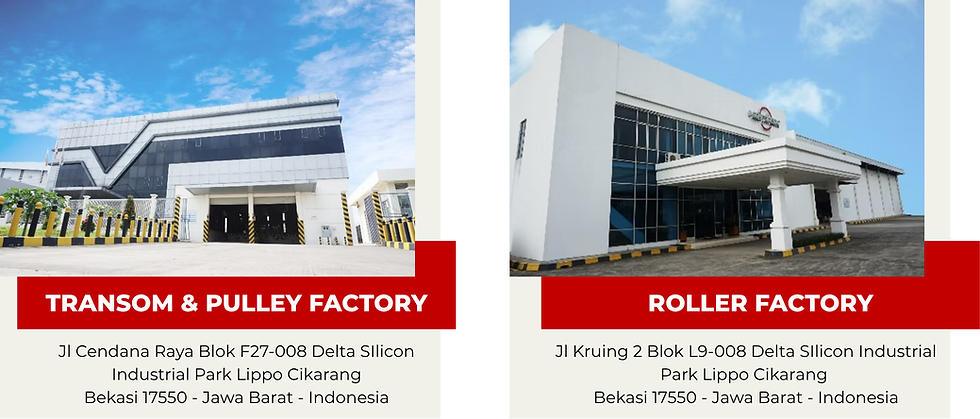
PT Vortex Conveyor International manufactures head pulleys, bend pulleys, take-up pulleys, wing pulleys, drive pulleys, snub pulleys, and tail pulleys at our two factories in the Cikarang industrial area. Our work is backed by an engineering team with more than 25 years of experience and ISO 9001:2015 certification. If you are looking for a pulley supplier or pulley manufacturer that can tailor its products to your project requirements, contact our sales team to discuss the conveyor pulley specifications that suit your system.

Apa Perbedaan Drive Pulley, Head Pulley, dan Tail Pulley?
Ketika belt conveyor mulai slip atau bergeser dari jalurnya, penyebabnya sering kali bukan belt itu sendiri, melainkan pulley yang menggerakkan dan mengarahkannya. Komponen berbentuk drum ini tampak sederhana, tetapi menentukan apakah tenaga motor benar-benar berpindah ke belt dan apakah belt bergerak lurus pada lintasannya. Bagi engineering manager dan project engineer, memahami fungsi pulley conveyor menjadi dasar untuk menekan downtime yang sebenarnya dapat dihindari.
Pulley dan Posisinya dalam Sistem Conveyor Belt
Pulley conveyor belt adalah drum berputar yang dipasang pada titik-titik tertentu di sepanjang conveyor untuk menggerakkan, menahan, dan mengubah arah belt. Setiap perpindahan tenaga dan setiap perubahan arah belt terjadi melalui komponen ini.
Pulley sering tertukar dengan idler. Keduanya berbeda. Idler adalah satu kesatuan assembly roller dan frame yang menopang belt serta material di sepanjang lintasan, sedangkan pulley bekerja pada titik penggerak, titik balik, dan titik pembelok belt.
Fungsi Pulley sebagai Penggerak dan Pengarah Belt
Pulley memiliki dua fungsi utama, yaitu meneruskan tenaga penggerak ke belt dan mengarahkan lintasan belt. Pulley yang terhubung ke motor dan gearbox disebut drive pulley. Tenaga ditransmisikan melalui gesekan antara permukaan pulley dan belt, sehingga kualitas kontak di antara keduanya sangat menentukan kinerja conveyor.
Pulley yang tidak terhubung ke sistem penggerak disebut non-drive pulley. Pulley jenis ini berputar mengikuti gerak belt dan bertugas membelokkan, mengarahkan, atau mengatur tegangan belt.

Jenis Pulley Conveyor dan Fungsinya
Jenis pulley ditentukan oleh posisi dan tugasnya dalam sistem. Berikut jenis pulley yang umum digunakan pada conveyor belt:
Head pulley : berada di ujung pembuangan material, tempat belt berbalik arah. Pada banyak konfigurasi, head pulley sekaligus berfungsi sebagai drive pulley.
Drive pulley : menerima tenaga dari motor untuk menggerakkan belt.
Tail pulley : berada di ujung pemuatan material dan menjadi titik balik belt pada sisi awal.
Bend pulley : membelokkan arah belt pada sudut tertentu di sepanjang lintasan.
Snub pulley : dipasang dekat drive pulley untuk menambah sudut lilitan belt sehingga traksi menjadi lebih baik.
Take-up pulley : menjadi bagian dari sistem take-up yang menjaga tegangan belt tetap sesuai.
Material dan Lagging untuk Traksi
Traksi antara pulley dan belt sangat dipengaruhi kondisi permukaan pulley. Karena itu, pulley dapat dilengkapi lagging, yaitu lapisan pada permukaan shell yang meningkatkan gesekan terhadap belt. Lagging paling berperan pada drive pulley, yang menanggung beban transmisi tenaga secara terus-menerus.
Pemilihan material shell dan jenis lagging perlu disesuaikan dengan kondisi aplikasi, Adapun material yang umum di gunakan yaitu Karet Lagging (Rubber Lagging) dan Keramik Lagging (Ceramic Lagging)
Dampak Pulley Aus dan Cara Memilih Pulley yang Tepat
Pulley aus mengurangi traksi dan efisiensi
Lagging yang aus pada drive pulley menurunkan traksi. Belt mulai slip, tenaga motor tidak tersalurkan optimal, dan keausan belt ikut meningkat. Permukaan pulley yang tidak rata atau tertutup material yang menempel juga dapat membuat belt bergeser dari jalur. Gejala ini sering baru terasa ketika sudah mengganggu operasi atau disaat terjadi hujan.
Kriteria pemilihan dan inspeksi berkala
Pemilihan pulley sebaiknya mengacu pada kapasitas conveyor, lebar dan tegangan belt, sudut lilitan, serta karakter material yang diangkut. Data tersebut menentukan dimensi pulley, konstruksi shell dan shaft, serta kebutuhan lagging. Kesalahan pemilihan di tahap awal sulit dikoreksi tanpa menghentikan operasi.
Setelah terpasang, inspeksi berkala tetap diperlukan. Periksa kondisi lagging, keausan permukaan, penumpukan material, kondisi bearing, dan kelurusan pulley terhadap belt agar penurunan performa dapat ditangani sebelum menjadi kerusakan.

Pulley yang Tepat sebagai Dasar Kinerja Conveyor
Pulley menentukan seberapa efektif tenaga penggerak diteruskan ke belt dan seberapa stabil belt bergerak pada lintasannya. Memahami jenis pulley, peran lagging, serta tanda-tanda keausan membantu tim engineering mengambil keputusan yang tepat, baik saat merancang conveyor baru maupun saat mengevaluasi sistem yang sudah berjalan.
PT Vortex Conveyor International memproduksi head pulley, bend pulley, take-up pulley, wing pulley, drive pulley, snub pulley, dan tail pulley di dua pabrik kami di kawasan industri Cikarang, dengan dukungan tim engineering berpengalaman lebih dari 25 tahun dan sertifikasi ISO 9001:2015. Jika Anda mencari supplier pulley atau pabrik pulley yang dapat menyesuaikan kebutuhan proyek Anda, hubungi tim sales kami untuk berdiskusi mengenai spesifikasi pulley conveyor yang sesuai dengan sistem Anda.


Comments